


Hubei Provincial Bafeng Pharmaceuticals & Chemicals Share Co., Ltd
Hubei Bafeng Pharmaceuticals & Chemicals Share Co., Ltd. (hereinafter referred to as "Bafeng pharmaceutical" or "the company") was established in 1997, which is a national key high-tech enterprise and has become one of the largest medical amino acid Industrialization Bases in China. The company's business scope includes Amino Acid APIs, Amino Acid Preparations, and Amino Acid Derivatives.
Why Choose Us
Rich experience
Founded in 1997, it is a national key high-tech enterprise and one of the largest industrialization bases for medicinal amino acids in China. The company's business scope includes amino acid APIs, amino acid preparations, amino acid derivatives, etc.
Professional team
Established a postdoctoral research workstation, a postdoctoral industrial base, and the Hubei Amino Acid Technology Center, and established long-term industry-university-research cooperation with scientific research institutes such as the Institute of Microbiology, Chinese Academy of Sciences and Wuhan University.
Quality service
We adhere to the quality policy of "quality first, customer first". We have a quality management organization, a complete quality monitoring network and an efficient after-sales service system. The quality management system is constantly improving.
Quality assurance
Construction of quality system is strengthened by formulating quality target, supply necessary resources, reasonable plan, organization and coordination. The purpose is to make sure the certification can be realized smoothly and improve quality system constantly.
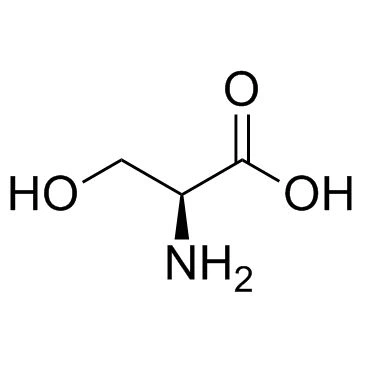
It plays a role in the manufacture and processing of cell membranes, the synthesis of muscle tissues and sheaths surrounding nerve cells.

It can participate in the metabolism of sugar and acid, enhance immunity, and provide energy for muscle tissue, brain and central nervous system.
It is used for protein supplement after malnutrition, protein deficiency, serious gastrointestinal diseases, scald and surgical operations.
It is used for protein supplement after malnutrition, protein deficiency, serious gastrointestinal diseases, scald and surgical operations.

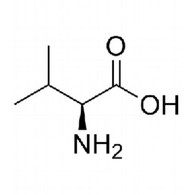
It works with two other high concentration amino acids (Isoleucine and Leucine) to promote normal growth of the body, repair tissues, regulate blood sugar, and provide needed energy.

When participating in intense physical activity, valine can provide additional energy to the muscle to produce glucose to prevent muscle weakness.

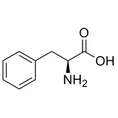
4-Hydroxyphenylalanine 60-18-4
Very slightly soluble in water, practically insoluble in ethanol (96 per cent). It dissolves in dilute mineral acids and in dilute solutions of alkali hydroxides.

Amino Acid L-TRYPTOPHAN 73-22-3
Sparingly soluble in water, slightly soluble in ethanol (96 per cent). It dissolves in dilute solutions of mineral acids and alkali hydroxides.

Amino Acid L-Threonine 72-19-5
It has a water holding effect on human skin, combines with oligosaccharide chains, plays an important role in protecting cell membranes, and can promote phospholipid synthesis and fatty acid oxidation in vivo.
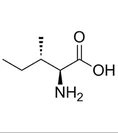
What is L-Isoleucine C6H13NO2 73-32-5
L-isoleucine belongs to the group of essential amino acids. This means that the human body cannot produce this amino acid itself. Therefore, L-isoleucine must be ingested with food. L-isoleucine has many functions in the human body. This amino acid is known for its abilities to help blood clot in wounds and to help repair muscle tissue. L-isoleucine also helps increase energy levels and improve physical endurance. The amino acid provides an extra boost of energy and helps the body recover faster after periods of strenuous physical activity.
Benefits of L-Isoleucine C6H13NO2 73-32-5
Muscle metabolism
L-Isoleucine plays a crucial role in muscle metabolism. It helps in the formation and repair of muscle proteins, which is essential for muscle growth and recovery after exercise or injury.
Energy production
L-Isoleucine is involved in the process of energy production in the body. It helps in the breakdown of glucose and fats to produce energy, which is particularly important during periods of physical activity or exercise.
Blood sugar regulation
Studies suggest that L-isoleucine may help regulate blood sugar levels by enhancing insulin secretion and sensitivity. This can be beneficial for individuals with diabetes or those at risk of developing the condition.
Hemoglobin production
L-Isoleucine is necessary for the synthesis of hemoglobin, the protein in red blood cells that carries oxygen throughout the body. Adequate levels of isoleucine can help prevent anemia.
Immune function
L-Isoleucine may play a role in supporting healthy immune function by promoting the production and activity of certain immune cells, such as T-cells and natural killer cells.
Wound healing
As a component of protein, L-isoleucine is essential for the repair and regeneration of tissues, which is crucial for wound healing and recovery from injuries.

L-Isoleucine is an amino acid used by the body during protein synthesis, which is required for muscle growth and recovery. In terms of glucose metabolism and transport, research in rodents suggests that isoleucine reduces blood glucose levels by enhancing the uptake of glucose by skeletal muscle cells, increasing the overall breakdown of glucose into energy, and reducing the amount of glucose produced by the liver (hepatic gluconeogenesis).
The recommended dosage is dependent on the age, bodyweight and medical condition of the patient, and should be determined by a clinician or dietitian only. The amino acids can be used to supplement both sip and tube feeding. Approximately 3g L-Isoleucine dissolves in 100mls of water at 20°C. It can be added directly to liquid formulae. For powdered formulae, L-Isoleucine is best added to the powder before reconstitution. Flavouring can be added if required. The addition of flavourings to foods for infants under 6 months is not recommended.
L-Isoleucine Plays an Important Role for Maintaining Immune Function
Branched chain amino acids are the essential nutrients for humans and many animals. As functional amino acids, they play important roles in physiological functions, including immune functions. L-Isoleucine, as one of the branched chain amino acids, is also critical in physiological functions of the whole body, such as growth, immunity, protein metabolism, fatty acid metabolism and glucose transportation. L-Isoleucine can improve the immune system, including immune organs, cells and reactive substances. Recent studies have also shown that L-isoleucine may induce the expression of host defense peptides (i.e., β-defensins) that can regulate host innate and adaptive immunity. In addition, L-isoleucine administration can restore the effect of some pathogens on the health of humans and animals via increasing the expression of β-defensins.
Meat and Poultry: Chicken, turkey, beef, pork, and lamb are excellent sources of L-isoleucine.
Fish and Seafood: Salmon, tuna, cod, shrimp, and other fish and seafood provide good amounts of L-isoleucine.
Eggs: Whole eggs, especially the whites, are rich in L-isoleucine.
Dairy Products: Milk, cheese, yogurt, and other dairy products contain L-isoleucine.
Legumes: Lentils, chickpeas, black beans, and soybeans are plant-based sources of L-isoleucine.
Nuts and Seeds: Almonds, peanuts, sunflower seeds, and pumpkin seeds are high in L-isoleucine.
Tofu and Tempeh: These soy-based products are rich in L-isoleucine and are popular in vegetarian and vegan diets.
Side Effects
When consumed as part of a balanced diet or in appropriate dosages, L-Isoleucine is generally considered safe for most individuals. However, it is essential to note that excessive intake or indiscriminate use of supplements can potentially lead to certain side effects.
Some individuals may experience gastrointestinal discomfort such as bloating, diarrhea, or nausea when taking high doses of L-Isoleucine. In rare cases, allergic reactions may occur, characterized by symptoms like swelling, itching, or difficulty breathing. If you experience any unusual or severe side effects, it is crucial to seek medical attention immediately.
It is recommended to follow the recommended dosage guidelines provided by healthcare professionals or product labels when considering L-Isoleucine supplementation.
While L-Isoleucine is generally safe for most individuals, certain populations should exercise caution when considering supplementation or making significant dietary changes.
Pregnant or breastfeeding individuals should seek medical advice before introducing any new supplements into their routine. It is essential to ensure the safety and appropriateness of these dietary modifications during these phases of life.
If you have any pre-existing medical conditions or are taking medications, it's crucial to consult with your healthcare provider before incorporating L-Isoleucine supplements into your regimen. They can provide personalized guidance based on your individual health needs.
As one of the three branched-chain amino acids essential for human body, L-isoleucine is widely used in food, medicine, and feed industries. At present, L-isoleucine is mainly produced by microbial fermentation, and the main production strain is Corynebacterium glutamicum. The biosynthetic pathway of L-isoleucine in C. glutamicum is complex, and the activity of key enzymes and the transcription of key genes in the pathway are strictly regulated. The intracellularly synthesized L-isoleucine is secreted by transporters, and the activity of the transporters is also regulated. These intricate regulatory mechanisms increase the difficulty to engineer the L-isoleucine-producing C. glutamicum.
L-Isoleucine synthesis
An advantageous fermentation method for production of L-isoleucine is the use of chemically synthesized substrates that only require a few steps to be converted to L-isoleucine. Among these the natural precursors 2-ketobutyrate or D,L-2-hydroxybutyrate have been used for the production with Corynebacterium glutamicum. A leucine requiring mutant of Corynebacterium glutamicum, with increased D-lactate utilization and consuming D,L-2-hydroxybutyrate, accumulates 13.4 g/L L-isoleucine.
However, exploitation of this process is hampered by formation of byproducts. Sugar based L-isoleucine processes have been developed with strains of Corynebacterium glutamicum Serratia marcescens, and Escherichia coli. The mutant Escherichia coli H- 8285, being resistant to thiaisoleucine, arginine hydroxamate, and D,L-ethionine accumulates 26 g/L L-isoleucine in 45 h in a fed-batch process. Introduction of resistance to 6-dimethylaminopurine in strain H-8285 resulted in a mutant Escherichia coli H-8461 that increased L-isoleucine accumulation to 30.2 g/L.
The biosynthesis of L-isoleucine has been investigated in detail on the level of involved genes, thus recombinant strains are being constructed with high productivity and selectivity. An appropriate balance of homoserine dehydrogenase and threonine dehydratase activities in the construct Corynebacterium glutamicum DR17/pECM3::ilvA (V323A) with feedback-resistant aspartate kinase create a specific productivity of 0.052 g L-isoleucine per gram dry biomass per hour. The recombinant strain Escherichia coli AJ13100 produces L-isoleucine from glucose with high selectivity in 30% yield.
Application of L-Isoleucine
In Food
L-Isoleucine can be used as nutritional supplements in food. Particularly plant-based or vegan options that may be deficient in complete proteins.
In Beverage
L-Isoleucine can be used as nutritional supplements, flavor enhancer in beverage. Fortification with L-Isoleucine helps to ensure that these products meet the nutritional requirements for all essential amino acids.
In Pharmaceutical
L-Isoleucine can be used as Nutritional therapy in Pharmaceutical. It may be included in intravenous (IV) amino acid solutions used for parenteral nutrition to ensure patients receive adequate nutrition when they cannot eat normally.
In Health and Personal care
L-Isoleucine can be used in baby products, bath products, cleansing products, eye makeup, shaving preparations and hair and skin care products. In cosmetics and personal care products, L-Isoleucine used as hair conditioning agents and skin conditioning agents.
In Agriculture/Animal Feed
L-Isoleucine can be used in Agriculture/Animal Feed/Poultry feed. It ensures that the feed provides a balanced amino acid profile, supporting optimal growth, reproduction, and overall health in animals.
First of all, judging from the molecular formulas of the two components, the molecular formulas of leucine and isoleucine are C14H19NO4 and C6H13NO2, respectively. The difference in their molecular structure is that the methyl group in the leucine molecular chain is next to the amino group. The methyl group of isoleucine is placed one level below the amino group.
In the living system, leucine is one of the essential amino acids in the human body. It is mainly involved in synthesizing proteins in the body and regulating the structure of proteins synthesized in extremely low-oxygen environments. At the same time, leucine can also promote the secretion and metabolism of insulin in the body.
Isoleucine is one of the supplement ingredients to combine the branched-chain amino acids. Its main function is to promote cellular energy metabolism and protein synthesis. In addition, some studies have shown that isoleucine lowers cholesterol levels, and reduces the risk of cardiovascular and cerebrovascular diseases.
How to Distinguish Between Leucine and L-Isoleucine by lc-ms?
To distinguish between leucine (Leu) and L-isoleucine (L-Ile) by LC-MS, several innovative methods have been developed. These include charge transfer dissociation (CTD) mass spectrometry, reductive dimethylation combined with MS3 fragmentation, and an integrated LC-MS strategy involving HCD-MSn and ETD-HCD MS3 analysis.
CTD offers reliable sequence coverage and side-chain cleavages for Leu/Ile discrimination. Reductive dimethylation with MS3 fragmentation generates informative spectra to differentiate between the two isomers. The integrated LC-MS strategy utilizes HCD-MSn and ETD-HCD MS3 analysis to reliably identify Leu and Ile residues in proteins and peptides, crucial for maintaining antigen binding affinity and specificity.
Additionally, ion mobility separation coupled with tandem mass spectrometry (IM-tandem MS) provides insights into the ionization behaviors of Leu and Ile under different modes, aiding in their distinction.
FAQ
Hot Tags: l-isoleucine c6h13no2 73-32-5, China l-isoleucine c6h13no2 73-32-5 manufacturers, suppliers, factory, CAS 56 40 6, 147-85-3, Threonien can prevent fatty liver, leucine is branched chain amino acid, Valine powder, Isoleucine Assay 98 5