


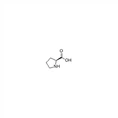
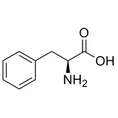
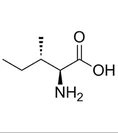

Hubei Provincial Bafeng Pharmaceuticals & Chemicals Share Co., Ltd
Hubei Bafeng Pharmaceuticals & Chemicals Share Co., Ltd. (hereinafter referred to as "Bafeng pharmaceutical" or "the company") was established in 1997, which is a national key high-tech enterprise and has become one of the largest medical amino acid Industrialization Bases in China. The company's business scope includes Amino Acid APIs, Amino Acid Preparations, and Amino Acid Derivatives.
Why Choose Us
Rich experience
Founded in 1997, it is a national key high-tech enterprise and one of the largest industrialization bases for medicinal amino acids in China. The company's business scope includes amino acid APIs, amino acid preparations, amino acid derivatives, etc.
Professional team
Established a postdoctoral research workstation, a postdoctoral industrial base, and the Hubei Amino Acid Technology Center, and established long-term industry-university-research cooperation with scientific research institutes such as the Institute of Microbiology, Chinese Academy of Sciences and Wuhan University.
Quality service
We adhere to the quality policy of "quality first, customer first". We have a quality management organization, a complete quality monitoring network and an efficient after-sales service system. The quality management system is constantly improving.
Quality assurance
Construction of quality system is strengthened by formulating quality target, supply necessary resources, reasonable plan, organization and coordination. The purpose is to make sure the certification can be realized smoothly and improve quality system constantly.
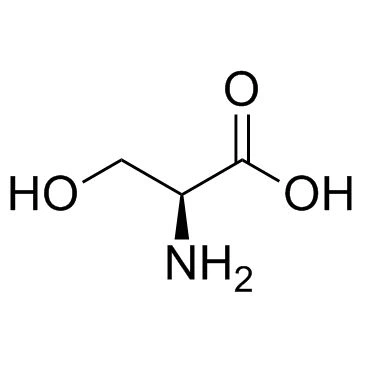
It plays a role in the manufacture and processing of cell membranes, the synthesis of muscle tissues and sheaths surrounding nerve cells.

It can participate in the metabolism of sugar and acid, enhance immunity, and provide energy for muscle tissue, brain and central nervous system.
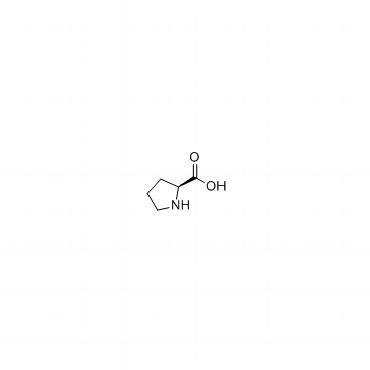
It is used for protein supplement after malnutrition, protein deficiency, serious gastrointestinal diseases, scald and surgical operations.
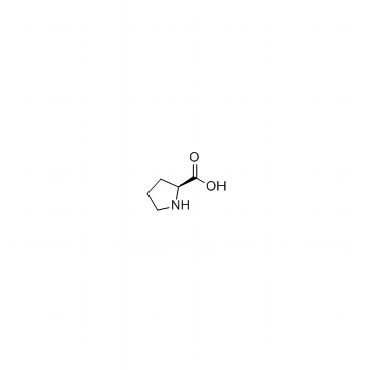
It is used for protein supplement after malnutrition, protein deficiency, serious gastrointestinal diseases, scald and surgical operations.

It works with two other high concentration amino acids (Isoleucine and Leucine) to promote normal growth of the body, repair tissues, regulate blood sugar, and provide needed energy.

When participating in intense physical activity, valine can provide additional energy to the muscle to produce glucose to prevent muscle weakness.

4-Hydroxyphenylalanine 60-18-4
Very slightly soluble in water, practically insoluble in ethanol (96 per cent). It dissolves in dilute mineral acids and in dilute solutions of alkali hydroxides.

Amino Acid L-TRYPTOPHAN 73-22-3
Sparingly soluble in water, slightly soluble in ethanol (96 per cent). It dissolves in dilute solutions of mineral acids and alkali hydroxides.

Amino Acid L-Threonine 72-19-5
It has a water holding effect on human skin, combines with oligosaccharide chains, plays an important role in protecting cell membranes, and can promote phospholipid synthesis and fatty acid oxidation in vivo.
What is L-Tryptophan C11H12N2O2 73-22-3
L-tryptophan is an amino acid that is made from plant or animal sources. L-tryptophan is known as an "essential" amino acid because the body does not produce it. L-tryptophan is important to the functions of many organs in the body. When you consume L-tryptophan, your body absorbs it and changes it to eventually become a hormone called serotonin. Serotonin transmits signals between your nerve cells and also narrows (constricts) blood vessels. The amount of serotonin in the brain can affect mood.
Benefits of L-Tryptophan C11H12N2O2 73-22-3
Improves Sleep
L-Tryptophan helps to increase the production of serotonin, which is then converted to melatonin, a hormone that regulates sleep. By improving serotonin levels, L-Tryptophan may help to improve sleep quality and reduce symptoms of insomnia.
Improves Mood
L-Tryptophan plays a key role in the production of serotonin, a neurotransmitter that is associated with feelings of well-being and happiness. By increasing serotonin levels, L-Tryptophan may help to improve mood and reduce symptoms of depression and anxiety.
Reduces Appetite
L-Tryptophan is involved in the regulation of appetite and food intake. By increasing serotonin levels, L-Tryptophan may help to reduce appetite and promote feelings of fullness, leading to weight management.
Pain Management
L-Tryptophan may help to reduce chronic pain and improve overall well-being. This is because L-Tryptophan can affect the release of other neurotransmitters, such as endorphins, that play a role in pain management.
Improves Cognitive Function
L-Tryptophan is involved in the production of serotonin and other neurotransmitters that play a role in cognitive function, such as memory and attention. By improving neurotransmitter levels, L-Tryptophan may help to improve cognitive function and reduce symptoms of attention deficit hyperactivity disorder (ADHD) and age-related cognitive decline.

Since L-tryptophan is important for sleep, you may wonder which foods could help. As I have mentioned, animal protein foods such as chicken, turkey, beef, or salmon have about the same amount of L-tryptophan.
The only problem with L-tryptophan derived from animal protein is that those foods are also rich in other amino acids. These amino acids compete for absorption, and tryptophan doesn't win that competition very often. So even though there is a great amount of L-tryptophan in these foods, the L-tryptophan is not as absorbable.
However, pumpkin seeds, sesame seeds, cashews, walnuts, oats, brown rice, quinoa, beans, potatoes, pineapple, and bananas are some examples of the foods that contain a good amount of L-tryptophan and are more easily absorbable. The idea is not to overload your dinner with these foods, but rather to introduce one or two in all your meals throughout the day.
Also, eggs (particularly egg whites) are certainly high in L-tryptophan as well, along with the power food spirulina, a green-blue algae. The combination of protein and carbs has to be just right since we don't want to cause blood sugar issues, which can cause insomnia.
The adequate intake (AI) level of L-Tryptophan is the estimated average daily intake level that is sufficient to meet the nutrient requirements of nearly all healthy individuals in a specific life stage and gender group. The AI levels of L-Tryptophan for different age groups and genders are:
Infants 0-6 months: Approximately 160 milligrams/day
Infants 7-12 months: Approximately 190 milligrams/day
Children 1-3 years: Approximately 300 milligrams/day
Children 4-8 years: Approximately 400 milligrams/day
Children 9-13 years: Approximately 460 milligrams/day
Adolescents and Adults: Approximately 500 milligrams/day
Is L-Tryptophan Safe for Long-Term Use?
L-tryptophan occurs naturally in many foods, and is consumed as part of the diet. L-tryptophan supplements are possibly safe when taken for up to 3 weeks. L-tryptophan can cause some side effects such as drowsiness, stomach pain, vomiting, diarrhea, headache, blurry vision, and others.
L-Tryptophan is an essential amino acid that is necessary for making proteins. L-tryptophan is important for many organs in the body. L-tryptophan is not made by the body and must be consumed from the diet. After absorbing L-tryptophan from food, the body converts some of it to 5-HTP and then to serotonin. Serotonin is a hormone that transmits signals between nerve cells. Changes in serotonin levels in the brain can affect mood.

Avoid taking an herbal supplement containing St. John's wort at the same time you are taking L-tryptophan. Avoid using L-tryptophan together with other herbal/health supplements that can also cause drowsiness, including 5-hydroxytryptophan (5-HTP), calamus, California poppy, catnip, hops, Jamaican dogwood, kava, St. John's wort, skullcap, valerian, or yerba mansa.
Avoid using L-tryptophan together with other herbal/health supplements that can raise your serotonin levels. This includes 5-HTP, Hawaiian baby woodrose, and S-adenosylmethionine (SAMe). L-tryptophan may impair your thinking or reactions. Be careful if you drive or do anything that requires you to be alert.
Basic Metabolic Functions of L-Tryptophan
Protein synthesis
The principal role of L-tryptophan in the human body is as a constituent of protein synthesis. Because tryptophan is found in the lowest concentrations among the amino acids, it is relatively less available and is thought to play a rate-limiting role during protein synthesis. L-Tryptophan is also the precursor of two important metabolic pathways, kynurenine synthesis and serotonin synthesis.
Kynurenine synthesis
After protein synthesis, the second most prevalent metabolic pathway of L-tryptophan is for the synthesis of kynurenine, which accounts for approximately 90% of L-tryptophan catabolism. Kynurenine is a key component in the synthesis of a number of metabolites, but most importantly, it is the precursor of kynurenic and quinolinic acids. Each of these metabolites has the potential to affect other neurotransmitters; specifically kynurenic acid is a glutamate receptor antagonist, while quinolinic acid is a glutamate receptor agonist. Among other pathways, kynurenine is known to be involved in acting as an ultra violet (UV) filter which protects the retina of the eye from UV damage. The effectiveness of this protection deteriorates with age, contributing to the normal changes in coloration and fluorescence of the lens that interfere with visual function and may, in some individuals, play a role in cataract formation.
Serotonin synthesis
It is estimated that 95% of mammalian serotonin is found within the gastrointestinal tract and only 3% of dietary tryptophan is used for serotonin synthesis L-throughout the body. Nevertheless, serotonin synthesis is one of the most important tryptophan pathways and a topic of intense research. It is estimated that only 1% of dietary L-tryptophan is used for serotonin synthesis in the brain but despite the relatively low concentration of brain serotonin compared to that in the rest of the body, it has a broad impact as a neurotransmitter and neuromodulator and has been implicated in numerous psychiatric conditions and psychological processes.
Tryptamine synthesis
In addition to L-tryptophan's three major activities of protein, kynurenine, and serotonin synthesis, L-tryptamine is another biologically active compound that is derived from L-tryptophan. The immediate decarboxylation of tryptophan results in the synthesis of trace amounts of L-tryptamine (i.e. ng/g), which is an important neuromodulator of serotonin. Numerous animal studies have indicated that L-tryptamine acts as a control for the balance between excitatory and inhibitory functions of serotonin, and in other instances, L-tryptamine acts as a neurotransmitter with specific receptors that are independent of serotonin function.
Melatonin synthesis
Melatonin is a hormone produced in the L-tryptophan/serotonin pathway, which regulates diurnal rhythms and influences the reproductive and immune systems, as well as digestive processes and gastrointestinal motility. Melatonin synthesis is regulated by the blue light spectrum (i.e. 446 to 477 nm) in both artificial and sun light. During periods of darkness, it is actively secreted from the pineal gland to induce neural and endocrine effects that regulate circadian rhythms of behavior, physiology, and sleep patterns.
NAD/NADP synthesis
L-Tryptophan also plays a role as a substrate for synthesis of the coenzymes nicotinamide adenine dinucleotide (NAD) and NAD phosphate (NADP). NAD and NADP are coenzymes essential for electron transfer reactions (i.e. redox reactions) in all living cells. These enzymes can be synthesized de novo from ingested L-tryptophan, or from ingestion of niacin (i.e. vitamin B3).
Niacin synthesis
Interestingly, L-tryptophan can act as a substrate for niacin synthesis through the kynurenine/quinolinic acid pathway. However, this is a less efficient use of L-tryptophan since approximately 60 mg of L-tryptophan are necessary to generate a single milligram of niacin. The recommended daily allowance of niacin is only 16 mg/day for men and 14 mg/day for women. For adults, in the United States, the median intake of niacin from food is approximately 41 mg/day for men and 28 mg/day for women, leaving little need for additional synthesis from L-tryptophan.
Stress Reduction
L-Tryptophan is a precursor to serotonin, a neurotransmitter that regulates mood, appetite, and sleep. In animals, L-Tryptophan supplementation can help to improve mood and reduce stress-related behaviors.
Improved Growth and Development
L-Tryptophan is essential for protein synthesis, and it plays a crucial role in the growth and development of animals. A diet deficient in L-Tryptophan can lead to stunted growth, reduced muscle mass, and other developmental problems.
Improved Immune System Function
L-Tryptophan is required for the production of immunoglobulins, which are proteins that play a key role in the immune system. In animals, L-Tryptophan supplementation can help to improve immune system function and reduce the risk of infections.
Better Reproductive Health
L-Tryptophan is important for the production of reproductive hormones, such as prolactin, which plays a key role in lactation and maternal behavior in animals. A diet deficient in L-Tryptophan can lead to reduced lactation and fertility problems.
Better Feed Efficiency
L-Tryptophan is essential for the regulation of appetite and metabolism, and it can help to improve feed efficiency in animals. L-Tryptophan supplementation can help to reduce food intake and increase nutrient utilization, which can lead to improved feed efficiency and reduced production costs.
Herbs and supplements with sedative properties
L-tryptophan might cause sleepiness and slowed breathing. Taking it along with other supplements with similar effects might cause too much sleepiness and/or slowed breathing in some people. Examples of supplements with this effect include hops, kava, melatonin, and valerian.
Herbs and supplements with serotonergic properties
L-tryptophan increases a brain chemical called serotonin. Taking it along with other supplements that have this effect might cause serious side effects, including heart problems, seizures, and vomiting. Examples of supplements with this effect include 5-HTP, black seed, SAMe, and St. John's wort.

FAQ
Hot Tags: l-tryptophan c11h12n2o2 73-22-3, China l-tryptophan c11h12n2o2 73-22-3 manufacturers, suppliers, factory, Tyrosine can treat Vitiligo, L-Phenylalanine, aspartic acid can make L Ornithine L aspartate salt, L Lysine monoacetate, L Alanine Amino Acid, 72-18-4


