



Hubei Provincial Bafeng Pharmaceuticals & Chemicals Share Co., Ltd
Hubei Bafeng Pharmaceuticals & Chemicals Share Co., Ltd. (hereinafter referred to as "Bafeng pharmaceutical" or "the company") was established in 1997, which is a national key high-tech enterprise and has become one of the largest medical amino acid Industrialization Bases in China. The company's business scope includes Amino Acid APIs, Amino Acid Preparations, and Amino Acid Derivatives.
Why Choose Us
Rich experience
Founded in 1997, it is a national key high-tech enterprise and one of the largest industrialization bases for medicinal amino acids in China. The company's business scope includes amino acid APIs, amino acid preparations, amino acid derivatives, etc.
Professional team
Established a postdoctoral research workstation, a postdoctoral industrial base, and the Hubei Amino Acid Technology Center, and established long-term industry-university-research cooperation with scientific research institutes such as the Institute of Microbiology, Chinese Academy of Sciences and Wuhan University.
Quality service
We adhere to the quality policy of "quality first, customer first". We have a quality management organization, a complete quality monitoring network and an efficient after-sales service system. The quality management system is constantly improving.
Quality assurance
Construction of quality system is strengthened by formulating quality target, supply necessary resources, reasonable plan, organization and coordination. The purpose is to make sure the certification can be realized smoothly and improve quality system constantly.
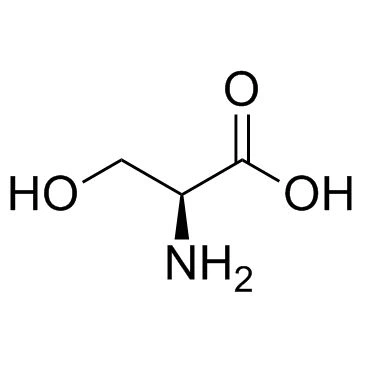
It plays a role in the manufacture and processing of cell membranes, the synthesis of muscle tissues and sheaths surrounding nerve cells.

It can participate in the metabolism of sugar and acid, enhance immunity, and provide energy for muscle tissue, brain and central nervous system.
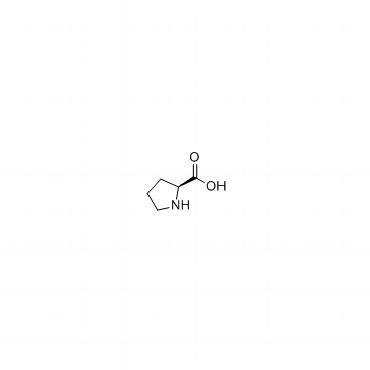
It is used for protein supplement after malnutrition, protein deficiency, serious gastrointestinal diseases, scald and surgical operations.
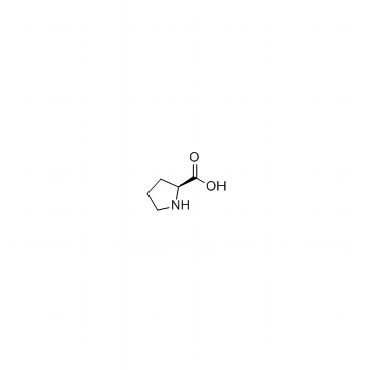
It is used for protein supplement after malnutrition, protein deficiency, serious gastrointestinal diseases, scald and surgical operations.

It works with two other high concentration amino acids (Isoleucine and Leucine) to promote normal growth of the body, repair tissues, regulate blood sugar, and provide needed energy.

When participating in intense physical activity, valine can provide additional energy to the muscle to produce glucose to prevent muscle weakness.

4-Hydroxyphenylalanine 60-18-4
Very slightly soluble in water, practically insoluble in ethanol (96 per cent). It dissolves in dilute mineral acids and in dilute solutions of alkali hydroxides.

Amino Acid L-TRYPTOPHAN 73-22-3
Sparingly soluble in water, slightly soluble in ethanol (96 per cent). It dissolves in dilute solutions of mineral acids and alkali hydroxides.

Amino Acid L-Threonine 72-19-5
It has a water holding effect on human skin, combines with oligosaccharide chains, plays an important role in protecting cell membranes, and can promote phospholipid synthesis and fatty acid oxidation in vivo.
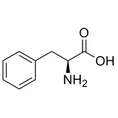
What is L-Phenylalanine C9H11NO2 63-91-2
L-phenylalanine is a type of amino acid. Amino acids are molecules that combine to form proteins. L-phenylalanine is an essential amino acid in humans, meaning that the body cannot synthesize its own L-phenylalanine. Instead, humans must get phenylalanine from the foods they eat. L-phenylalanine is a component in several important proteins and enzymes. For example, the body can convert phenylalanine into tyrosine, which it then uses to synthesize the neurotransmitters dopamine and norepinephrine. L-phenylalanine also plays a role in the production of other important amino acids.
Benefits of L-Phenylalanine C9H11NO2 63-91-2
Enhancement of Mood
L-phenylalanine has been demonstrated to elevate mood while lowering stress and anxiety. Dopamine, norepinephrine, and epinephrine are significant neurotransmitters involved in mood regulation, and the amino acid works by raising their levels in the body. Tyrosine, a different amino acid involved in the synthesis of neurotransmitters, has also been demonstrated to increase in response to L-phenylalanine.
Focus and mental clarity are improved
Focus and mental clarity have been shown to improve with L-phenylalanine. Dopamine, norepinephrine, and epinephrine are significant neurotransmitters involved in cognitive function, and the amino acid works by raising their levels in the body. Tyrosine, a different amino acid involved in the synthesis of neurotransmitters, has also been demonstrated to increase in response to L-phenylalanine.

Reduced Stress and Anxiety
L-phenylalanine has been demonstrated to lessen stress and anxiety. Dopamine, norepinephrine, and epinephrine are significant neurotransmitters involved in mood regulation, and the amino acid works by raising their levels in the body. Tyrosine, a different amino acid involved in the synthesis of neurotransmitters, has also been demonstrated to increase in response to L-phenylalanine.
Enhancing Joint Health
It has been demonstrated that L-phenylalanine enhances joint health. The amino acid works by minimizing pain and inflammation. It has also been demonstrated that L-phenylalanine raises levels of collagen, a protein important for the health of joints.
There are many different ways to get l-phenylalanine, including capsules, tablets, powder, and syrup. Depending on why L-Phenylalanine is being supplemented, different doses should be taken. The dosage range for mood enhancement is 500–2000 mg per day. 250–500 mg per day is advised for increased mental clarity and focus. 500–2000 mg per day is advised for lowering anxiety and stress. 500–1000 mg per day is advised for better joint health.
For the majority of people, L-phenylalanine is generally well tolerated and safe. However, some individuals may experience negative effects such as nausea, anxiety, and headaches. People with phenylketonuria (PKU) or other conditions that affect amino acid metabolism should use L-phenylalanine with caution. When taking drugs that lower dopamine levels, people should use L-phenylalanine cautiously.

Mechanism of Action
Dopamine, norepinephrine, and epinephrine are significant neurotransmitters involved in mood regulation, and L-phenylalanine works by raising their levels in the body. Tyrosine, a different amino acid involved in the synthesis of neurotransmitters, has also been demonstrated to increase in response to L-phenylalanine.
From What Foods Can you Get L-phenylalanine?
Meat and Poultry: Beef, chicken, pork, and turkey are excellent sources of L-phenylalanine.
Fish: Fish such as salmon, tuna, and cod are rich in L-phenylalanine.
Eggs: Eggs are a good source of L-phenylalanine, providing this amino acid along with other essential nutrients.
Dairy Products: Milk, cheese, yogurt, and other dairy products contain significant amounts of L-phenylalanine.
Soy Products: Tofu, tempeh, soy milk, and other soy-based products are high in L-phenylalanine, making them a good option for vegetarians and vegans.
Legumes: Beans, lentils, chickpeas, and peas are plant-based sources of L-phenylalanine.
Nuts and Seeds: Almonds, peanuts, sunflower seeds, and pumpkin seeds provide L-phenylalanine along with healthy fats and other nutrients.
Whole Grains: Whole grains like quinoa, oats, and wheat contain moderate amounts of L-phenylalanine.
Seaweed: Certain types of seaweed, such as spirulina, are also good sources of L-phenylalanine.
Production Methods
In previous large-scale production processes for L-phenylalanine two enzymatic methods were applied:
》Resolution of N-acetyl-D,L-phenylalanine by carrier-fixed microbial acylase: This process provided pharmaceutical-grade L-phenylalanine, but suffered from the disadvantage that the D-enantiomer had to be racemized and recycled.
》Stereoselective and enantioselective addition of ammonia to trans-cinnamic acid, catalyzed by L-phenylalanine ammonia lyase (PAL, EC 4.3.1.5): PAL-containing Rhodotorula rubra was used in an industrial process to supply L-phenylalanine for the first production campaign of the sweetener aspartame. When continuously operated in an immobilized whole cell reactor, the bioconversion reached concentration up to 50 g/L Lphenylalanine at a conversion of about 83%. Other processes started from phenylpyruvate with L-aspartic acid as amine donor using immobilized cells of Escherichia coli or from a-acetamidocinnamic acid and immobilized cells of a Corynebacterium equi strain. In both cases L-phenylalanine concentrations up to 30 g/L and more (molar yields as high as at least 98 %) were reached.
However, fermentation processes based on glucose-consuming L-phenylalanine overproducing ;mutants of E. coli and coryneform strains turned out to be more economical. L-Phenylalanine is formed in ten enzymatic steps starting from erythrose-4-phosphate and phosphoenolpyruvate. A suitable profile of the specific glucose feed rate prevents acetate formation and leads to improved L-phenylalanine production with a final concentration up to 46 g/L and a corresponding yield of 18 %.
L-Phenylalanine is recovered from the fermentation broth either by two-step crystallization or by an ionexchange resin process. The preferred cell separation technique is ultrafiltration; and the filtrates may be treated with activated carbon for further purification. Instead of ion-exchange resins nonpolar, highly porous synthetic adsorbents are recommended to remove impurities. An alternative process in which a cell separator is integrated in the fermentation part, thus allowing cell recycling, was suggested for L-phenylalanine production and may lead to prospective developments.
Possible Interactions
Monoamine Oxidase Inhibitors: Monoamine oxidase inhibitors (MAOIs) are an older class of antidepressants drugs that are rarely used now. They include phenelzine (Nardil), isocarboxazid (Marplan), and tranylcypromine sulfate (Parnate). Taking phenylalanine while taking MAOIs may cause a severe increase in blood pressure (hypertensive crisis). This severe increase in blood pressure can lead to a heart attack or stroke. People taking MAOIs should avoid foods and supplements containing phenylalanine.
Baclofen: L-phenylalanine may reduce absorption of baclofen (Lioresal), a medication used to relieve muscle spasms. Avoid taking Baclofen with a meal, especially one that is high in protein, or with phenylalanine supplements.
Levodopa: A few case reports suggest that L-phenylalanine may reduce the effectiveness of levodopa (Sinemet), a medication used to treat Parkinson disease. Some researchers think L-phenylalanine may interfere with the absorption of levodopa and worsen the person's condition.
Selegiline: L-phenylalanine and the selective MAO inhibitor selegiline (Eldepryl, Deprenyl) may strengthen the antidepressant effects of phenylalanine. They should not be taken together.
Antipsychotic or neuroleptic drugs: L-phenylalanine may worsen TD, a side effect of these neuroleptic drugs. These drugs include phenytoin (Dilantin), valproic acid (Depakene, Depakote), and carbamazepine (Tegretol), among others.
Uses of L-Phenylalanine
Parkinson disease
One animal study suggests that L-phenylalanine may improve rigidity, walking disabilities, speech difficulties, and depression associated with Parkinson disease. However, there is no evidence yet whether it would have the same effect in humans. More research is needed.
Vitiligo
Preliminary studies suggest that L-phenylalanine (oral and topical) strengthens the effect of UVA radiation for people with vitiligo. Vitiligo is a condition where irregular depigmentation (loss of color) causes white patches of skin. L-phenylalanine may lead to some darkening or repigmentation of the white patches, particularly on the face. However, more research is needed to see whether L-phenylalanine is truly effective.
Depression
Studies suggest that L-phenylalanine may be helpful as part of a comprehensive therapy for depression, most of the studies were done in the 1970s and 1980s and were not rigorously tested. People have reported that their mood improved when they took L-phenylalanine. Researchers think this is because phenylalanine increases production of brain chemicals, such as dopamine and norepinephrine. Other studies suggest that elevated L-phenylalanine concentrations are linked to mood swings. More research is needed to tell whether L-phenylalanine has any real effect on depression.
Dietary Sources
L-phenylalanine is found in most foods that contain protein, including beef, poultry, pork, fish, milk, yogurt, eggs, cheese, soy products (including soy protein isolate, soybean flour, and tofu), and certain nuts and seeds. The artificial sweetener aspartame is also high in L-phenylalanine.

Phenylketonuria, an inherited biochemical defect that results in an inability to oxidize L-phenylalanine to tyrosine, leading to elevated levels of phenylalanine in the blood and urine, has long been known. However, the pathogenic mechanism of this brain abnormality is unclear. In vitro studies have shown that abnormal metabolites of L-phenylalanine in phenylketonuria inhibit dihydroxyphenylalanine (DOPA), 5-hydroxytryptophan, and glutamate decarboxylase. High levels of one or more amino acids prevent cells from capturing or utilizing other amino acids. L-phenylalanine has been shown to interfere with the intracellular accumulation of tyrosine in vivo. Structural defects in myelin sheaths in the brains of patients with phenylketonuria have also been described. As well as decreased levels of cerebrosides in the white matter.
L-Phenylalanine Selectively Depresses Currents at Glutamatergic Excitatory Synapses
To explore the hypothesis that L-phenylalanine (L-Phe) depresses glutamatergic synaptic transmission and thus contributes to brain dysfunction in phenylketonuria (PKU), the effects of L--phenylalanine on spontaneous and miniature excitatory postsynaptic currents (s/mEPSCs) in rat and mouse hippocampal and cerebrocortical cultured neurons were studied using the patch-clamp technique.
L--phenylalanine depressed the amplitude and frequency of both N-methyl-D-aspartate (NMDA) and non-NMDA components of glutamate receptor (GluR) s/mEPSCs. The IC(50) of L--phenylalanine to inhibit non-NMDAR mEPSC frequency was 0.98 +/- 0.13 mM, a brain concentration seen in classical PKU. In contrast, D--phenylalanine had a significantly smaller effect, whereas L-leucine, an amino acid that competes with L-Phe for brain transporter, had no effect on mEPSCs. Unlike GluR s/mEPSCs, GABA receptor mIPSCs were not attenuated by L--phenylalanine. A high extracellular concentration of glycine prevented the attenuation by L--phenylalanine of NMDAR current, activated by exogenous agonist, and of NMDAR s/mEPSC amplitude, but not of NMDAR s/mEPSC frequency.
On the other hand, L--phenylalanine significantly depressed non-NMDAR current activated by low but not high concentrations of exogenous agonists. Glycine-independent attenuation of NMDAR s/mEPSC frequency suggests decreased presynaptic glutamate release caused by L--phenylalanine, whereas decreased amplitudes of NMDAR and non-NMDAR s/mEPSCs are consistent with competition of L--phenylalanine for the glycine- and glutamate-binding sites of NMDARs and non-NMDARs, respectively. The finding that GluR activity is significantly depressed at conditions characteristic of classical PKU indicates a potentially important contribution of impaired GluR function to PKU-related mental retardation and provides important insights into the potential physiological consequences of impaired GluR function.
FAQ
Hot Tags: l-phenylalanine c9h11no2 63-91-2, China l-phenylalanine c9h11no2 63-91-2 manufacturers, suppliers, factory, alanine can be Chiral drug intermediate, C6H13NO2 73 32 5, L PROLINE Amino Acid 147 85 3, a Aminopropionic Acid, Tyrosine can treat Vitiligo, Lysine Hydrochloride is good for Intestinal health


