


Hubei Provincial Bafeng Pharmaceuticals & Chemicals Share Co., Ltd
Hubei Bafeng Pharmaceuticals & Chemicals Share Co., Ltd. (hereinafter referred to as "Bafeng pharmaceutical" or "the company") was established in 1997, which is a national key high-tech enterprise and has become one of the largest medical amino acid Industrialization Bases in China. The company's business scope includes Amino Acid APIs, Amino Acid Preparations, and Amino Acid Derivatives.
Why Choose Us
Rich experience
Founded in 1997, it is a national key high-tech enterprise and one of the largest industrialization bases for medicinal amino acids in China. The company's business scope includes amino acid APIs, amino acid preparations, amino acid derivatives, etc.
Professional team
Established a postdoctoral research workstation, a postdoctoral industrial base, and the Hubei Amino Acid Technology Center, and established long-term industry-university-research cooperation with scientific research institutes such as the Institute of Microbiology, Chinese Academy of Sciences and Wuhan University.
Quality service
We adhere to the quality policy of "quality first, customer first". We have a quality management organization, a complete quality monitoring network and an efficient after-sales service system. The quality management system is constantly improving.
Quality assurance
Construction of quality system is strengthened by formulating quality target, supply necessary resources, reasonable plan, organization and coordination. The purpose is to make sure the certification can be realized smoothly and improve quality system constantly.
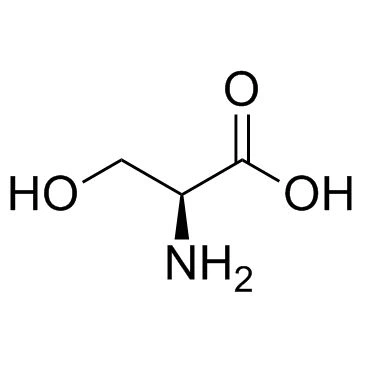
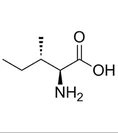
It plays a role in the manufacture and processing of cell membranes, the synthesis of muscle tissues and sheaths surrounding nerve cells.

It can participate in the metabolism of sugar and acid, enhance immunity, and provide energy for muscle tissue, brain and central nervous system.
It is used for protein supplement after malnutrition, protein deficiency, serious gastrointestinal diseases, scald and surgical operations.
It is used for protein supplement after malnutrition, protein deficiency, serious gastrointestinal diseases, scald and surgical operations.

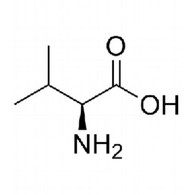
It works with two other high concentration amino acids (Isoleucine and Leucine) to promote normal growth of the body, repair tissues, regulate blood sugar, and provide needed energy.

When participating in intense physical activity, valine can provide additional energy to the muscle to produce glucose to prevent muscle weakness.

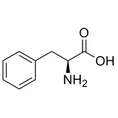
4-Hydroxyphenylalanine 60-18-4
Very slightly soluble in water, practically insoluble in ethanol (96 per cent). It dissolves in dilute mineral acids and in dilute solutions of alkali hydroxides.

Amino Acid L-TRYPTOPHAN 73-22-3
Sparingly soluble in water, slightly soluble in ethanol (96 per cent). It dissolves in dilute solutions of mineral acids and alkali hydroxides.

Amino Acid L-Threonine 72-19-5
It has a water holding effect on human skin, combines with oligosaccharide chains, plays an important role in protecting cell membranes, and can promote phospholipid synthesis and fatty acid oxidation in vivo.
What is Glycine 56-40-6
Glycine is an amino acid that the body naturally produces and uses to create protein. You can also get glycine by eating protein-rich foods or taking it as a dietary supplement. Glycine plays a key role in multiple functions of the body, acting as an antioxidant, anti-inflammatory compound, immune system modulator, and more. Research suggests it may have numerous health benefits, including supporting treatment for certain health conditions and enhancing sleep quality.
Benefits of Glycine 56-40-6
Repairs joints
Glycine is the main amino acid in collagen, which is crucial for your joints, tendons, and ligaments. Glycine has been demonstrated in studies to be necessary for the creation of flexible cartilage, help heal injured joints, and prevent the loss of mobility and functionality in older people.
Reduces inflammation
Glycine is a dietary precursor to glutathione, a powerful antioxidant that plays a role in lowering inflammation and protecting against free radical damage. By inhibiting the generation of harmful inflammatory molecules, glycine can help prevent diseases linked to oxidative stress such as liver injury, ischemic stroke, and heart attack.
Protects the liver from alcohol damage
Excessive alcohol use can be damaging to the liver. By preventing inflammation, glycine can help minimize the detrimental effects of alcohol on the liver. Animal studies have shown that glycine may help reduce blood alcohol concentration in rats who were fed alcohol.
Helps improve metabolic disorders
Glycine is believed to aid in the treatment of diabetes and other metabolic diseases. Glycine lowers glycated hemoglobin, a risk factor associated with poor blood sugar control in people with type II diabetes. It also increases the release of a gut hormone (glucagon) that aids insulin in the removal of glucose from the bloodstream.
Improves sleep quality
Glycine helps activate the N-methyl-D-aspartate (NMDA) receptor in the brain, which may have a calming effect on the brain and lower core body temperature, both of which can help improve symptoms of sleep disorders.
Builds immunity
Glycine promotes the synthesis of glutathione, an essential antioxidant that protects cells against free radicals, peroxide (a molecule that binds to the radicals), and lipid peroxidation (oxidative stress of lipids). By protecting your body against oxidative stress, glycine can help boost your immune system.

Physical properties of glycine
Glycine is a colorless compound with a sweet taste.
Its molecular weight is 75.066 grams per mole and density is 1.161g/cm3.
It starts to decompose at temperatures equal to or around 233℃. This makes it difficult to determine glycine's melting point, which remains unknown to date.
Glycine is highly soluble in water.
Chemical properties of glycine
Glycine is nonpolar. It acts as a buffer solution at a pH of 6.
Glycine is hydrophilic because of its one hydrogen atom side chain.
It can be
By Mouth
For treating schizophrenia: Glycine has been used in doses ranging from 0.4 to 0.8 g/kg daily in divided doses. It is usually started at 4 g daily and increased by 4 g per day until the effective dose is reached.
Under The Tongue
For protecting brain cells (neuroprotection) after onset on a stroke caused by a clot (ischemic stroke): 1 to 2 g per day started within 6 hours after stroke onset.
Applied To The Skin
For treating leg ulcers: A cream containing 10 mg of glycine, 2 mg of L-cysteine, and 1 mg of DL-threonine per gram of cream has been used. The cream was applied at each wound cleaning and dressing change once daily, every other day, or twice daily.

How Does Glycine Work?
Here are some of the most important and well understood roles that glycine plays in our health and functioning:
Collogen production: Collagen is a protein that is an essential component of muscles, tendon, skin, and bones. Collagen is the most commonly occurring protein in the body, comprising roughly a third of all body protein.
Digestion: Glycine helps maintain healthy levels of acidity in the digestive tract and aids the breakdown of fatty acids in foods.
Genes: Glycine is also involved in the body's production of DNA and RNA, the genetic instructions that deliver our body's cells the information they need to function.
Metabolism: This amino acid helps to regulate blood sugar levels and move blood sugar to cells and tissues throughout the body, to be consumed as energy.
Immunity: Glycine helps to regulate the body's immune response, to limit unhealthful inflammation and spur healing.
Serotonin production: Glycine helps the body make serotonin, a hormone and neurotransmitter that has significant effects on sleep and mood. It also influences key receptors in the brain that affect learning and memory.

Glycine is an inhibitory neurotransmitter in the central nervous system, especially in the spine. If the glycine receptor is activated, chloride ions enter the nerve cells through the ion receptor to cause inhibitory postsynaptic potential. Brucine is the antagonist of these ion receptors. In rats, the LD50 index was 0.96 mg/kg body weight, and the cause of death was hyperexcitability.
Glycine and glutamate are both agonists in the central nervous system. Glycine has always been considered as the most important inhibitory neurotransmitter besides GABA. Glycine is widely distributed in CNS and plays an important basic role in the transmission of neural signals and in participating in various physiological and pathological reactions.
The results showed that glycine increased the growth and proliferation of small intestinal epithelial cells and the ability to resist oxidative stress, and promoted the development of small intestinal mucosa in newborn piglets; At the same time, the addition of glycine in the diet improved the growth performance of newborn and weaned piglets, and promoted intestinal development and health.
Mechanism of Action
In the CNS, there exist strychnine-sensitive glycine binding sites as well as strychnine-insensitive glycine binding sites. The strychnine-insensitive glycine-binding site is located on the NMDA receptor complex. The strychnine-sensitive glycine receptor complex is comprised of a chloride channel and is a member of the ligand-gated ion channel superfamily.
The putative antispastic activity of supplemental glycine could be mediated by glycine's binding to strychnine-sensitive binding sites in the spinal cord. This would result in increased chloride conductance and consequent enhancement of inhibitory neurotransmission. The ability of glycine to potentiate NMDA receptor-mediated neurotransmission raised the possibility of its use in the management of neuroleptic-resistant negative symptoms in schizophrenia.
Animal studies indicate that supplemental glycine protects against endotoxin-induced lethality, hypoxia-reperfusion injury after liver transplantation, and D-galactosamine-mediated liver injury. Neutrophils are thought to participate in these pathologic processes via invasion of tissue and releasing such reactive oxygen species as superoxide. In vitro studies have shown that neutrophils contain a glycine-gated chloride channel that can attenuate increases in intracellular calcium and diminsh neutrophil oxidant production. This research is ealy-stage, but suggests that supplementary glycine may turn out to be useful in processes where neutrophil infiltration contributes to toxicity, such as ARDS.
Synthetic Methods of Glycine
Strecker method
Aminoacetonitrile was synthesized with formaldehyde, hydrogen cyanide and ammonia as raw materials, and then decomposed to glycine.
The crude hydrogen cyanide is synthesized from methane and ammonia, and then the formaldehyde solution continuously absorbs the hydrogen cyanide. Then the reaction solution and ammonia are reacted at 120 ℃ for 2 minutes to produce aminoacetonitrile. Finally, alkali solution is added to hydrolyze to obtain glycine with an overall yield of 87%.
Bucherer method
Add melamine into the aqueous solution of ammonium carbonate and sodium cyanide, stir and dissolve it at room temperature, and then react for 3h at 80-85 ℃. Get hydantoin aqueous solution. Then directly add 30% NaOH aqueous solution and hydrolyze it at 170 ℃ for 3h. Finally, glycine was treated with cation exchange resin and the yield was 83.2%.
Ammoniation of monochloroacetic acid
Mix ammonia water and ammonium bicarbonate and heat them to 55 ℃, add monochloroacetic acid hydrolysis solution to react for 2h. Then the remaining ammonia is removed by heating to 80 ℃, and decolorization is performed with activated carbon. After filtering, add 95% ethanol to the filtrate to separate glycine crystals. After separation, wash with ethanol. After drying, coarse products are obtained. The crude product is dissolved in hot water and recrystallized with ethanol to obtain the finished product with a yield of about 42%.
Phase transfer catalysis
Add 2kg ammonia water into 1L methanol, and then add 0.3kg hexamethylenetetramine. After the solution is clarified, add 2L methanol dissolved in 10kg chloroacetic acid, and the system temperature rises significantly. When it reaches 58 ℃, a large number of crystals are precipitated. When the temperature drops to room temperature and the upper liquid is clarified, crystals are obtained by filtration. After the filtrate is placed for 2 days, some crystals can be separated. Add 2-3 times the amount of deionized water into the crude product, heat it to 70-75 ℃, add methanol twice the volume after dissolution, cool it to separate and crystallize, and dry it at 70 ℃ for 2h to obtain fine product with yield of 68.6% and purity of 99.6%
Biological methods
In the late 1980s, Mitsubishi Corporation of Japan added the screened aerobic Agrobacterium, Brevibacterium, Corynebacterium and other microbial strains to the medium containing carbon source, nitrogen source and inorganic nutrient solution for cultivation, and then converted ethanolamine into glycine at 25~45 ℃ and pH of 4~9, and concentrated and neutralized ion exchange to obtain glycine.
Since the 1990s, the technology of glycine synthesis abroad has made new progress. Nitto Chemical Industry Co., Ltd. of Japan added 0.5% (mass fraction, dry weight) of Pseudomonas, Casein, and Alkali producing bacteria to the substrate containing glycine amine, and reacted for 45 hours at 30 ℃, pH 7.9~8.1. Almost all glycine amines were hydrolyzed to glycine, with a conversion rate of 99%.
Food
One of amino acids containing proteins, Glycine has been used as a food additive for seasoning and preservation. Glycine occurs widely in nature, with seafood such as prawn, sea urchin, gives a pleasant umami taste for food.
Pharmaceutical
Glycine is used for treating schizophrenia, stroke, benign prostatic hyperplasia (BPH), and some rare inherited metabolic disorders. It is also used to protect kidneys from the harmful side effects of certain drugs used after organ transplantation as well as the liver from harmful effects of alcohol.
Agricultural
In pesticide production, glycine ethyl ester hydrochloride, an intermediate used to synthesize pyrethroid insecticides, can also be used to synthesize bactericide isobenzuron and herbicide solid glyphosate.
Industrial
Glycine is an intermediate in the synthesis of a variety of chemical products. It is used in the manufacture of the herbicides glyphosate, iprodione, glyphosine, imiprothrin, and eglinazine. It is used as an intermediate of antibiotics such as thiamphenicol.
Reagent
It is used for peptide synthesis and amino acid protection monomer; It is used for the preparation of tissue culture medium and the inspection of copper, gold and silver; Because glycine is a zwitterion with amino and carboxyl groups, it has strong buffering property and is often used as a buffer solution; Complexometric titration indicator, solvent.
Foods High in Glycine
Gelatin Powder
Gelatin is the name for cooked collagen. It is made almost entirely of protein, and its unique amino acid profile gives it many health benefits. Gelatin can be used to make jell-o, homemade ice cream, gummies, whipped cream, etc. Glycine is abundant in gelatin.
Bone Broth
Bone broth can be one of the best sources of collagen. By adding just 2 tablespoons of collagen to your diet, you will add about 3 grams of glycine to your diet.
Poultry Skin
Don't tear the skin from that chicken or turkey! That's valuable glycine. Chicken skin contains roughly 3.3 grams of glycine per 3.5 ounces.
Seafood
Fish too has glycine, especially carp, catfish, mollusks, clams, sturgeon, and wild salmon. Fish is an important source of quality protein, which has a greater satiety effect than other sources of animal proteins like beef and chicken.
Meat
Animal protein, including muscle meat, does contain some glycine. However, glycine is mostly found in connective tissue, tendons, ligaments, skin, cartilage, and bones. Back in the day, these parts of the animal were consumed along with muscle meat, but nowadays they are mostly associated with low-quality meat. Nonetheless, lean beef and lamb contain roughly 2 g of glycine per 3.5 ounces.
Legumes
Legumes and legume products are a good source of glycine as well. Some examples include soybeans and tofu, peanuts and peanut butter, peas, mungo beans, lentils, and kidney beans.
Dairy Products
Dairy products, such as milk, yogurt, and cheese have glycine. You might have heard the recommendation to have a glass of warm milk prior to bedtime to help you fall asleep. This is because the glycine in milk has been shown to help facilitate and improve the quality of sleep.
Spinach
Spinach is packed with vitamins and nutrients! Not only is it a great source of magnesium, iron, vitamins B2 and B6, folate, vitamins A, K, and E, calcium, potassium, manganese, and copper, but it's also a pretty good source of glycine.
Dried Seaweed
Traditionally used as food in China, Japan, and the Republic of Korea, dried seaweed has become popular in the US recently as well. Seaweed is a great source of antioxidants, fiber to support your gut health, iodine, and also glycine.
Watercress
This ancient green was a staple in the diet of Roman soldiers. It is a great source of vitamins K, C, A, calcium, magnesium, as well as glycine.
Asparagus
Asparagus is considered by some to be one of the world's healthiest foods. Asparagus is an excellent source of vitamins K, B1, B2, B3, B6, C, A, and E, folate, copper, selenium, fiber, manganese, zinc, iron, and protein. It also contains plenty of amino acids, including glycine.
Cabbage
Cabbage is a powerful antioxidant and anti-inflammatory cruciferous vegetable, containing numerous vitamins and minerals. It provides support to the digestive tract and may improve cardiovascular health. It is also rich in glycine.
Glycine's safety has not been fully tested or studied. Particular caution should be taken when considering glycine for young children, pregnant or breastfeeding women, and people with liver or kidney disease.
People being treated with clozapine should avoid taking glycine. Also people who have had a stroke should not take glycine without the supervision of a doctor.
A few people have reported nausea, vomiting, and upset stomach after taking glycine. Such reports have been rare, and the symptoms have gone away after glycine was discontinued.
FAQ
Hot Tags: glycine 56-40-6, China glycine 56-40-6 manufacturers, suppliers, factory, Lysine Hydrochloride is good for Intestinal health, L Phenylalanine can treat Phenylketonuria PKU , Amino Acid APIs, 657-27-2, 73-22-3, L-Valine