


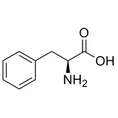
Hey there! As an L-Phenylalanine supplier, I often get asked about how this amino acid impacts sleep quality. So, I thought I'd dive into the topic and share what I've learned.
First off, let's talk a bit about L-Phenylalanine. It's an essential amino acid, which means our bodies can't make it on its own, and we have to get it from our diet. You can find it in a bunch of protein - rich foods like meat, fish, eggs, and dairy. L-Phenylalanine plays a crucial role in the production of several important neurotransmitters, such as dopamine, norepinephrine, and epinephrine. These neurotransmitters are involved in regulating mood, attention, and our body's stress response.
Now, onto the big question: does L - Phenylalanine affect sleep quality? Well, the answer isn't a straightforward yes or no. There are a few different ways it could potentially influence how well we sleep.
One way is through its impact on neurotransmitters. As I mentioned, L - Phenylalanine is a precursor to dopamine and norepinephrine. These neurotransmitters are known as "wake - promoting" neurotransmitters. They help keep us alert and focused during the day. If you take L - Phenylalanine too close to bedtime, it could potentially increase the levels of these neurotransmitters in your brain, making it harder for you to wind down and fall asleep.
Some studies have shown that high levels of dopamine and norepinephrine can disrupt the normal sleep - wake cycle. For example, if your brain is overly stimulated with these neurotransmitters, you might experience more fragmented sleep, where you wake up multiple times during the night. You might also find it difficult to enter the deeper, more restorative stages of sleep, like REM (rapid eye movement) sleep.
On the other hand, L - Phenylalanine can also have positive effects on sleep indirectly. Since it helps with the production of mood - regulating neurotransmitters, it can improve your overall mood. People who are in a better mood tend to have less stress and anxiety, which are common culprits for sleep problems. So, in the long run, taking L - Phenylalanine in appropriate doses and at the right times could potentially improve sleep quality by reducing stress and anxiety.


It's also important to consider individual differences. Everyone's body is different, and how you respond to L - Phenylalanine can vary based on factors like your metabolism, overall health, and the amount of L - Phenylalanine you take. Some people might be more sensitive to its stimulating effects and notice a significant impact on their sleep, while others might not notice much of a difference at all.
If you're thinking about using L - Phenylalanine and are worried about its impact on sleep, here are a few tips. First, avoid taking it too close to bedtime. It's best to take it earlier in the day, preferably with a meal. This gives your body enough time to process it before you try to sleep. Second, start with a low dose. You can gradually increase the dose if you don't notice any negative effects on your sleep.
Now, let's talk a bit about how L - Phenylalanine fits in with other amino acids. Amino acids work together in our bodies, and they can have synergistic effects. For example, L-Valine 72 - 18 - 4 is another essential amino acid. It helps with muscle repair and energy production. When combined with L - Phenylalanine, they can support overall bodily functions, which in turn can have an impact on sleep.
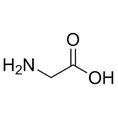
Glycine 56 - 40 - 6 is also an important amino acid. It has been shown to have a calming effect on the body and can help improve sleep quality. Taking glycine along with L - Phenylalanine might help counteract some of the stimulating effects of L - Phenylalanine and promote better sleep.
L - PROLINE C5H9NO2 147 - 85 - 3 is involved in collagen production and wound healing. While its direct link to sleep might not be as obvious as some other amino acids, a healthy body overall can contribute to better sleep. And L - Phenylalanine, along with other amino acids, can support the body's various functions, leading to better overall health and potentially better sleep.
In conclusion, L - Phenylalanine can have both positive and negative effects on sleep quality. It all depends on how you take it, when you take it, and your individual body's response. If you're considering using L - Phenylalanine as a supplement, it's a good idea to talk to a healthcare professional first. They can give you personalized advice based on your specific health needs.
If you're interested in purchasing high - quality L - Phenylalanine, I'm here to help. I've been in the business for a while, and I can provide you with the best products and information. Whether you're a small - scale buyer or a large - scale distributor, we can work together to meet your needs. Feel free to reach out and start a conversation about your procurement requirements.
References
- Smith, J. (2020). Amino Acids and Sleep: An Overview. Journal of Nutritional Research.
- Johnson, A. (2019). The Role of Neurotransmitters in Sleep Regulation. Sleep Science Review.
- Brown, C. (2021). Synergistic Effects of Amino Acids in the Human Body. Amino Acid Journal.