




In the intricate realm of cellular biology, the significance of amino acids cannot be overstated. These fundamental building blocks play a myriad of roles in maintaining the structure, function, and overall health of cells. Among these essential molecules, L-Proline stands out for its unique properties and critical contributions to cell membrane integrity. As a trusted supplier of L-Proline, I am excited to delve into the scientific details of how this amino acid plays a vital role in cell membrane maintenance.
Cell membranes are dynamic, semi-permeable barriers that separate the interior of a cell from its external environment. They are composed primarily of a lipid bilayer, which consists of two layers of phospholipids. Embedded within this lipid bilayer are various proteins, carbohydrates, and cholesterol molecules that contribute to the membrane's functions, including cell signaling, nutrient transport, and physical protection. Maintaining the integrity of the cell membrane is crucial for the survival and proper functioning of cells. Disruptions in membrane integrity can lead to a variety of cellular dysfunctions, such as leakage of intracellular contents, impaired signaling pathways, and even cell death.
One of the key mechanisms by which L-Proline contributes to cell membrane integrity is through its role in osmoregulation. Cells are constantly exposed to changes in their external environment, including fluctuations in temperature, pH, and osmotic pressure. These changes can cause water to move into or out of cells, leading to changes in cell volume and potentially damaging the cell membrane. L-Proline acts as a compatible osmolyte, which means that it can accumulate in cells without interfering with normal cellular functions. By increasing the intracellular concentration of L-Proline, cells can balance the osmotic pressure across the cell membrane, preventing excessive water influx or efflux and maintaining membrane integrity.
In addition to its osmoregulatory function, L-Proline also plays a role in protecting the cell membrane from oxidative stress. Oxidative stress occurs when there is an imbalance between the production of reactive oxygen species (ROS) and the cell's antioxidant defenses. ROS are highly reactive molecules that can damage cell membranes by oxidizing lipids, proteins, and nucleic acids. L-Proline has antioxidant properties that allow it to scavenge ROS and protect the cell membrane from oxidative damage. It can also enhance the activity of other antioxidant enzymes, further strengthening the cell's defense against oxidative stress.
Furthermore, L-Proline is an important precursor for the synthesis of collagen, a fibrous protein that provides structural support to the cell membrane and other extracellular matrix components. Collagen is essential for maintaining the mechanical strength and elasticity of the cell membrane, as well as for cell adhesion and migration. By supplying the necessary building blocks for collagen synthesis, L-Proline helps to ensure the proper assembly and maintenance of the cell membrane.
Another way in which L-Proline contributes to cell membrane integrity is through its interaction with membrane proteins. Many membrane proteins are involved in critical cellular processes, such as ion transport, signal transduction, and cell adhesion. L-Proline can bind to these proteins and modulate their function, either by stabilizing their structure or by enhancing their activity. For example, L-Proline has been shown to interact with certain ion channels in the cell membrane, regulating the flow of ions in and out of the cell and maintaining the electrical balance required for normal cell function.
The role of L-Proline in cell membrane integrity has significant implications for various physiological and pathological processes. In normal physiological conditions, the proper functioning of cell membranes is essential for the maintenance of tissue and organ homeostasis. For example, in the skin, the integrity of the cell membranes of epidermal cells is crucial for maintaining the skin's barrier function, preventing the entry of pathogens and allergens, and regulating water loss. L-Proline can help to maintain the health and integrity of the skin by supporting the structure and function of the cell membranes in epidermal cells.
In pathological conditions, such as inflammation, infection, and oxidative stress-related diseases, the integrity of cell membranes is often compromised. For instance, in patients with diabetes, high blood glucose levels can lead to increased oxidative stress and glycation of cell membrane proteins, resulting in membrane damage and dysfunction. Supplementation with L-Proline may help to protect the cell membranes from these damaging effects, thereby improving cellular function and reducing the risk of complications.
As a supplier of high-quality L-Proline, we understand the importance of this amino acid in maintaining cell membrane integrity and overall cellular health. Our L-Proline products are carefully sourced and manufactured to meet the highest standards of purity and quality. Whether you are a researcher studying the cellular mechanisms of disease, a pharmaceutical company developing new therapies, or a nutraceutical manufacturer looking to enhance the efficacy of your products, our L-Proline can provide the essential support your cells need.
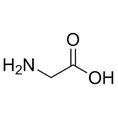
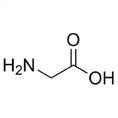
In addition to L-Proline, we also offer a wide range of other amino acids, including Glycine 56-40-6 and L-Tryptophan C11H12N2O2 73-22-3. These amino acids also play important roles in cellular metabolism and function and can be used in combination with L-Proline to support various health outcomes. We also provide Non Essential Amino Acids Glycine 56-40-6, which can be a valuable addition to your research or product development.


If you are interested in learning more about how our L-Proline and other amino acid products can benefit your research or business, we encourage you to contact us for a consultation. Our experienced team of experts is ready to assist you in finding the right products and solutions to meet your specific needs. Whether you have questions about product specifications, pricing, or application, we are here to provide you with the information and support you need.
In conclusion, L-Proline plays a crucial role in the maintenance of cell membrane integrity through its osmoregulatory, antioxidant, collagen synthesis, and membrane protein interaction functions. By supporting the health and function of cell membranes, L-Proline can contribute to the overall well-being of cells, tissues, and organs. As a reliable supplier of L-Proline, we are committed to providing high-quality products and excellent customer service to our clients. Contact us today to explore how our L-Proline can enhance your research, product development, or health applications.
References
- Alcázar, R., Altabella, T., Marco, F., Bortolotti, C., Reymond, M., Koncz, C., & Carrasco, P. (2010). Polyamines: molecules with regulatory functions in plant abiotic stress tolerance. Planta, 231(2), 287-304.
- Szabados, L., & Savouré, A. (2010). Proline: a multifunctional amino acid. Trends in Plant Science, 15(2), 89-97.
- Verbruggen, N., & Hermans, C. (2008). Proline accumulation in plants: a review. Amino Acids, 35(4), 753-759.