


Hey there! As a supplier of L-Serine, I've been super into understanding what this amino acid can do, especially when it comes to cell signaling. So, let's dig into the role of L-Serine in cell signaling.
First off, what's cell signaling? Well, it's like the communication system inside our bodies at the cellular level. Cells need to talk to each other to coordinate all sorts of functions, like growth, development, and immune responses. And L-Serine plays a pretty important part in this whole process.
L-Serine is a non-essential amino acid, which means our bodies can make it on their own. But it also comes from our diet. It's involved in a bunch of metabolic pathways, and one of the key ones related to cell signaling is the synthesis of phospholipids. Phospholipids are the building blocks of cell membranes. A healthy cell membrane is crucial for proper cell signaling because it's where a lot of the signaling molecules interact.
When L-Serine is used to make phospholipids, it helps maintain the fluidity and integrity of the cell membrane. This is important because if the membrane isn't in good shape, the signaling receptors on the membrane might not work properly. For example, some growth factor receptors need a specific membrane environment to be activated. If the membrane is too rigid or too fluid due to a lack of proper phospholipid synthesis, these receptors won't be able to bind to their corresponding growth factors, and the cell won't receive the right signals to grow or divide.
Another way L-Serine affects cell signaling is through its role in neurotransmitter synthesis. In the nervous system, cell signaling is super important for things like sending and receiving nerve impulses. L-Serine is a precursor for the synthesis of neurotransmitters like glycine and D-serine.
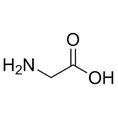
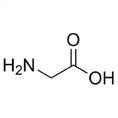
Glycine is an inhibitory neurotransmitter. It helps regulate the excitability of neurons. When glycine binds to its receptors on neurons, it can reduce the likelihood of the neuron firing an action potential. This is crucial for maintaining the balance of neural activity. If there's not enough L-Serine to make glycine, the inhibitory signaling in the nervous system can be disrupted, which can lead to problems like seizures or over-excitation of neurons.
D-serine, on the other hand, is an excitatory co-agonist at the N-methyl-D-aspartate (NMDA) receptors. NMDA receptors are involved in learning, memory, and synaptic plasticity. When D-serine binds to the NMDA receptors along with glutamate (another neurotransmitter), it enhances the activation of these receptors. This is important for processes like long-term potentiation, which is a cellular mechanism underlying learning and memory. So, L-Serine indirectly affects these cognitive functions through its role in D-serine synthesis.
In the immune system, cell signaling is also a big deal. Immune cells need to communicate with each other to mount an effective immune response against pathogens. L-Serine has been shown to influence the activation and function of immune cells. For example, it can affect the production of cytokines, which are signaling molecules that immune cells use to talk to each other.


Some studies have found that L-Serine can modulate the production of pro-inflammatory and anti-inflammatory cytokines. This balance is crucial for a proper immune response. If there's too much inflammation, it can damage the body's own tissues. On the other hand, if there's not enough inflammation, the immune system might not be able to fight off infections effectively. So, L-Serine helps keep this balance in check through its influence on cytokine production and the signaling pathways involved.
Now, let's talk about some related amino acids. We've got L-Threonine 72-19-5, L-Isoleucine 73-32-5, and L-Lysine Hydrochloride 657-27-2. These amino acids also play important roles in the body, and they interact with L-Serine in various metabolic pathways.
L-Threonine is involved in the synthesis of proteins and also plays a role in the immune system. It can affect the production of antibodies, which are important for fighting off infections. L-Isoleucine is an essential amino acid that's involved in energy metabolism and muscle repair. It helps maintain blood sugar levels and is important for proper growth and development. L-Lysine Hydrochloride is important for protein synthesis, calcium absorption, and the production of hormones and enzymes.
All these amino acids work together in the body, and their proper balance is crucial for overall health. When it comes to cell signaling, they can all have indirect effects by influencing the metabolic processes that support proper cell function.
If you're in the business of pharmaceuticals, nutraceuticals, or any industry that's interested in amino acids, you might be looking for a reliable source of L-Serine. That's where we come in. As a supplier, we offer high-quality L-Serine that meets strict quality standards. Our L-Serine can be used in a variety of applications, from research to commercial production.
Whether you're doing research on cell signaling pathways or developing new products that rely on the benefits of L-Serine, we can provide you with the quantity and quality you need. We understand the importance of having a consistent supply of pure L-Serine, and we're committed to meeting your requirements.
So, if you're interested in learning more about our L-Serine products or want to discuss a potential purchase, don't hesitate to reach out. We're here to answer your questions and help you find the right solutions for your needs.
In conclusion, L-Serine plays a vital role in cell signaling through its involvement in phospholipid synthesis, neurotransmitter synthesis, and immune cell regulation. Its interaction with other amino acids further highlights its importance in maintaining overall health. If you're in the market for L-Serine, we're here to be your trusted supplier.
References
- Alcantara, A. A., & Zeisel, S. H. (2002). Dietary choline and betaine affect methyl group metabolism and DNA methylation in rats. The Journal of Nutrition, 132(10), 3099-3105.
- Wolosker, H., Dumin, E., & Schwarcz, R. (1999). Brain D-serine is synthesized from L-serine by serine racemase. Proceedings of the National Academy of Sciences, 96(18), 10403-10408.
- Fan, J., & Rothman, D. L. (2002). In vivo 1H NMR spectroscopy of the human brain at 4 T. NMR in Biomedicine, 15(5-6), 320-326.