




As a supplier of L - Alanine, I often receive inquiries about the recommended daily intake of this essential amino acid. In this blog, I'll delve into the details of L - Alanine, its benefits, and what the scientific community suggests as a proper daily intake.
Understanding L - Alanine
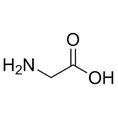
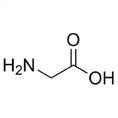
L - Alanine is a non - essential amino acid, which means that our bodies can synthesize it on their own. It plays a crucial role in many physiological processes. Structurally, it has the formula C3H7NO2 and its CAS number is 56 - 41 - 7. You can find more information about L - Alanine Amino Acid C3H7NO2 56 - 41 - 7 on our website.
This amino acid is involved in the glucose - alanine cycle, which is a key mechanism for transporting nitrogen from muscle to the liver. During intense physical activity, muscle proteins break down, releasing amino acids. Alanine is then formed and transported to the liver, where it is converted back to glucose through gluconeogenesis. This newly formed glucose can then be sent back to the muscles to provide energy.
Health Benefits of L - Alanine
- Energy Production: As mentioned earlier, L - Alanine is vital for the glucose - alanine cycle. By participating in this cycle, it helps in maintaining blood glucose levels, especially during exercise or fasting. This is crucial for providing energy to the brain and muscles, ensuring their proper function.
- Immune System Support: L - Alanine is also involved in the synthesis of antibodies and other immune - related molecules. It helps in maintaining a healthy immune system, protecting the body against various pathogens and diseases.
- Liver Health: In the liver, L - Alanine participates in detoxification processes. It helps in the removal of harmful substances from the body, such as ammonia. High levels of ammonia can be toxic to the body, and alanine helps in converting it into less toxic forms for excretion.
Recommended Daily Intake
Determining the exact recommended daily intake of L - Alanine is a complex task as it depends on various factors such as age, gender, body weight, and physical activity level.
For the general adult population, there isn't a specific Dietary Reference Intake (DRI) established by major health organizations like the Institute of Medicine (IOM) for L - Alanine. This is because it is a non - essential amino acid, and the body can usually produce enough of it. However, some studies suggest that an intake of around 5 - 10 grams per day may be beneficial for overall health, especially for those with an active lifestyle.
Athletes and individuals engaged in high - intensity exercise may require more L - Alanine. During intense workouts, the demand for energy increases, and the glucose - alanine cycle becomes more active. For these individuals, an intake of 10 - 15 grams per day might be more appropriate to support muscle recovery and energy production.
Children and the elderly also have different requirements. Children are in a stage of growth and development, and their bodies need amino acids for building and repairing tissues. The recommended intake for children is usually based on their body weight, around 100 - 200 milligrams per kilogram of body weight per day.
The elderly may have a reduced ability to synthesize amino acids. They may benefit from a slightly higher intake of L - Alanine, around 6 - 12 grams per day, to support muscle mass maintenance and overall health.
Dietary Sources of L - Alanine
L - Alanine can be obtained from both animal and plant sources. Animal sources include meat, poultry, fish, and dairy products. For example, a 100 - gram serving of chicken breast contains approximately 1.5 grams of L - Alanine. Fish such as salmon and tuna are also good sources, with about 1 - 1.2 grams per 100 - gram serving.


Plant sources of L - Alanine include legumes, nuts, and whole grains. Lentils and chickpeas are rich in L - Alanine, with around 0.8 - 1 gram per 100 - gram serving. Whole grains like brown rice and quinoa also contain significant amounts of this amino acid.
Interaction with Other Amino Acids
L - Alanine doesn't work in isolation. It interacts with other amino acids in the body. For example, it works in conjunction with 4 - Hydroxyphenylalanine 60 - 18 - 4, also known as tyrosine. Tyrosine is involved in the synthesis of neurotransmitters such as dopamine and norepinephrine. Alanine can influence the availability of tyrosine in the body, affecting neurotransmitter synthesis and mood regulation.
L - Alanine also interacts with L - ASPARTIC ACID 56 - 84 - 8. Both amino acids are involved in the urea cycle, which is responsible for removing nitrogen from the body. They work together to ensure the proper functioning of this cycle, preventing the buildup of toxic ammonia in the body.
Potential Side Effects
In general, L - Alanine is considered safe for most people when consumed within the recommended limits. However, excessive intake may lead to some side effects. High doses of L - Alanine can cause gastrointestinal discomfort, such as nausea, vomiting, and diarrhea. It may also put additional stress on the liver and kidneys, as these organs are responsible for processing and excreting the excess amino acid.
Conclusion
L - Alanine is a crucial amino acid with numerous health benefits. While there isn't a one - size - fits - all recommended daily intake, considering factors like age, gender, and physical activity level can help in determining an appropriate amount. Whether you're an athlete looking for enhanced performance or an individual aiming for overall health, L - Alanine can be a valuable addition to your diet.
If you're interested in purchasing high - quality L - Alanine for personal use, in the food industry, or for any other application, feel free to reach out to us. We are committed to providing the best - quality L - Alanine products. Contact us to start a procurement discussion and find out how we can meet your specific needs.
References
- Berg, J. M., Tymoczko, J. L., & Stryer, L. (2002). Biochemistry (5th ed.). W. H. Freeman.
- Lehninger, A. L., Nelson, D. L., & Cox, M. M. (2008). Lehninger Principles of Biochemistry (5th ed.). W. H. Freeman.
- Food and Nutrition Board, Institute of Medicine. (2005). Dietary Reference Intakes for Energy, Carbohydrate, Fiber, Fat, Fatty Acids, Cholesterol, Protein, and Amino Acids. The National Academies Press.