


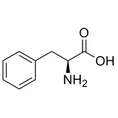
L-Tryptophan is an essential amino acid that plays a crucial role in numerous physiological processes within the human body. As a supplier of L-Tryptophan supplements, I often encounter questions regarding the purity of these products. In this blog post, I will delve into the concept of purity in L-Tryptophan supplements, exploring what it means, why it matters, and how we ensure the highest levels of purity in our offerings.
Understanding Purity in L-Tryptophan Supplements
Purity in the context of L-Tryptophan supplements refers to the proportion of the active ingredient, L-Tryptophan, in the product, free from contaminants and impurities. A high-purity L-Tryptophan supplement contains a greater percentage of the desired amino acid, with minimal amounts of other substances such as by-products, solvents, heavy metals, and microbial contaminants.


The purity of L-Tryptophan supplements is typically expressed as a percentage. For example, a supplement with a purity of 99% means that 99% of the product is pure L-Tryptophan, while the remaining 1% may consist of trace amounts of impurities or other substances added for stability or formulation purposes.
Why Purity Matters
The purity of L-Tryptophan supplements is of utmost importance for several reasons:
Efficacy
A high-purity L-Tryptophan supplement ensures that the consumer receives the full benefits of the amino acid. Impurities can interfere with the absorption, metabolism, and utilization of L-Tryptophan in the body, reducing its effectiveness. By providing a pure form of L-Tryptophan, we can ensure that our customers experience the desired health benefits, such as improved mood, better sleep, and enhanced cognitive function.
Safety
Impurities in L-Tryptophan supplements can pose potential health risks. Contaminants such as heavy metals (e.g., lead, mercury, cadmium) and microbial pathogens can have toxic effects on the body, especially when consumed over an extended period. High-purity supplements minimize the risk of exposure to these harmful substances, ensuring the safety of our customers.
Quality Control
Purity is a key indicator of the quality of L-Tryptophan supplements. A reputable supplier will adhere to strict quality control standards to ensure that their products meet or exceed the required purity levels. By maintaining high purity levels, we demonstrate our commitment to providing high-quality products that meet the expectations of our customers.
Factors Affecting Purity
Several factors can affect the purity of L-Tryptophan supplements:
Manufacturing Process
The manufacturing process plays a crucial role in determining the purity of L-Tryptophan supplements. High-quality manufacturing processes, such as fermentation and purification techniques, can produce L-Tryptophan with a high degree of purity. On the other hand, substandard manufacturing practices can introduce impurities into the product, reducing its purity.
Raw Materials
The quality of the raw materials used in the production of L-Tryptophan supplements can also impact their purity. Using high-quality raw materials from reliable sources can help ensure that the final product is pure and free from contaminants. We source our raw materials from trusted suppliers who adhere to strict quality control standards, ensuring the purity and safety of our L-Tryptophan supplements.
Storage and Handling
Proper storage and handling of L-Tryptophan supplements are essential to maintain their purity. Exposure to heat, moisture, light, and air can cause degradation and contamination of the product, reducing its purity. We follow strict storage and handling procedures to ensure that our products are stored in a cool, dry, and dark environment, minimizing the risk of degradation and contamination.
Ensuring Purity in Our L-Tryptophan Supplements
As a supplier of L-Tryptophan supplements, we are committed to providing our customers with products of the highest purity and quality. To ensure the purity of our L-Tryptophan supplements, we implement the following measures:
Stringent Quality Control
We have a comprehensive quality control system in place to monitor and verify the purity of our L-Tryptophan supplements at every stage of the manufacturing process. Our quality control team conducts regular inspections and tests using advanced analytical techniques, such as high-performance liquid chromatography (HPLC) and mass spectrometry (MS), to ensure that our products meet or exceed the required purity levels.
Good Manufacturing Practices (GMP)
We adhere to Good Manufacturing Practices (GMP) to ensure that our manufacturing facilities and processes meet the highest standards of quality and safety. GMP guidelines cover all aspects of the manufacturing process, including raw material sourcing, production, packaging, labeling, and storage. By following GMP guidelines, we can minimize the risk of contamination and ensure the purity and quality of our L-Tryptophan supplements.
Third-Party Testing
In addition to our in-house quality control measures, we also conduct third-party testing of our L-Tryptophan supplements. We work with independent laboratories that are accredited by recognized organizations to perform comprehensive testing of our products. Third-party testing provides an additional layer of assurance that our products meet the required purity and quality standards.
Comparing Purity Levels
When choosing an L-Tryptophan supplement, it is important to compare the purity levels of different products. Not all supplements are created equal, and some may have lower purity levels than others. Here are some tips to help you compare the purity levels of L-Tryptophan supplements:
Read the Label
The label of an L-Tryptophan supplement should provide information about the purity level of the product. Look for supplements that clearly state the purity percentage, such as "99% pure L-Tryptophan." Avoid supplements that do not provide clear information about the purity level or use vague terms such as "high purity."
Check the Manufacturer's Reputation
The reputation of the manufacturer is an important factor to consider when choosing an L-Tryptophan supplement. Look for manufacturers that have a good track record of producing high-quality products and adhere to strict quality control standards. You can check online reviews and ratings from other customers to get an idea of the manufacturer's reputation.
Look for Third-Party Certifications
Third-party certifications can provide additional assurance of the purity and quality of an L-Tryptophan supplement. Look for supplements that have been certified by recognized organizations such as the United States Pharmacopeia (USP), the European Pharmacopoeia (EP), or the Food and Drug Administration (FDA). These certifications indicate that the product has been tested and meets the required purity and quality standards.
Other Related Amino Acid Products
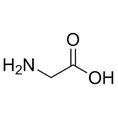
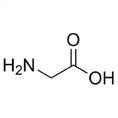
In addition to L-Tryptophan supplements, we also offer a range of other amino acid products, including 2-Aminoacetic Acid 56-40-6, Amino Acid GLYCINE 56-40-6, and Non Essential Amino Acids Glycine 56-40-6. These amino acids play important roles in various physiological processes and can provide a range of health benefits.
Conclusion
The purity of L-Tryptophan supplements is a critical factor that determines their efficacy, safety, and quality. As a supplier of L-Tryptophan supplements, we are committed to providing our customers with products of the highest purity and quality. By implementing strict quality control measures, adhering to Good Manufacturing Practices (GMP), and conducting third-party testing, we can ensure that our L-Tryptophan supplements meet or exceed the required purity levels.
If you are interested in purchasing high-purity L-Tryptophan supplements or other amino acid products, please feel free to contact us to discuss your requirements. We look forward to working with you to meet your needs.
References
- [1] Bender, D. A. (2003). Amino acid metabolism (2nd ed.). Wiley-Blackwell.
- [2] D’Mello, J. P. F. (2003). Amino acids in animal nutrition. CABI Publishing.
- [3] Young, V. R., & Pellett, P. L. (1994). Plant proteins in relation to human protein and amino acid nutrition. American Journal of Clinical Nutrition, 59(5 Suppl), 1203S-1212S.