


Hey there! As a supplier of the chemical with CAS: 56 - 40 - 6, I'm super excited to chat with you about its research progress and future prospects.
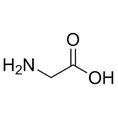
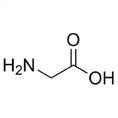
First off, let's talk about what this chemical is. CAS: 56 - 40 - 6 refers to Glycine, which is the simplest amino acid. It's got a wide range of applications in various fields, and that's why it's so interesting to researchers.
Research Progress
In the Medical Field
In medicine, glycine has shown some really promising results. Studies have found that it can play a role in regulating the nervous system. It acts as a neurotransmitter in the central nervous system, helping to control nerve impulses. Some research has also looked into its potential in treating certain neurological disorders. For example, it might be able to help with conditions like insomnia and anxiety by modulating the brain's neurotransmitter balance.
Moreover, glycine is important for the synthesis of proteins in the body. It's involved in the production of collagen, which is essential for healthy skin, bones, and connective tissues. Researchers are exploring how increasing glycine intake could potentially improve skin elasticity and reduce the signs of aging. There are also ongoing studies about its role in wound healing. Glycine seems to promote the growth of new cells and tissues, which could speed up the recovery process after an injury.
In the Food Industry
Glycine is widely used as a food additive. It has a slightly sweet taste, which makes it a popular choice for enhancing the flavor of certain foods. It can also act as a preservative in some cases, helping to extend the shelf - life of food products. Scientists are constantly researching ways to optimize its use in food. For instance, they're looking at how different concentrations of glycine can affect the taste and texture of various food items. There's also interest in using glycine in functional foods, like energy bars or sports drinks, because of its potential health benefits.
In the Agricultural Sector
In agriculture, glycine has been studied for its role in plant growth and development. It can act as a plant growth regulator, promoting root growth and increasing the plant's resistance to environmental stress. Some research has shown that spraying glycine on crops can improve their yield and quality. For example, it can enhance the photosynthetic efficiency of plants, allowing them to produce more energy and grow better. This could be a game - changer for farmers, especially in areas where crops are often exposed to harsh conditions like drought or high salinity.
Future Prospects
New Applications
The future looks bright for glycine in terms of new applications. One area that's getting a lot of attention is in the development of biodegradable plastics. Glycine can be used as a building block for the synthesis of certain types of polymers. These polymers are more environmentally friendly compared to traditional plastics because they can break down more easily in the environment. As the world becomes more focused on sustainability, the demand for biodegradable materials is only going to increase, and glycine could play a key role in meeting that demand.
Another exciting prospect is in the field of cosmetics. With the growing interest in natural and organic beauty products, glycine's properties make it an attractive ingredient. It can be used in moisturizers, serums, and other skincare products to improve skin hydration and reduce inflammation. As consumers become more conscious about what they put on their skin, the use of glycine in cosmetics is likely to expand.
Technological Advancements
Advances in technology are also going to have a big impact on the future of glycine. For example, new manufacturing processes could make the production of glycine more efficient and cost - effective. This would not only benefit us as suppliers but also make glycine more accessible to a wider range of industries. There are also emerging technologies in the field of genetic engineering that could potentially lead to the development of plants or microorganisms that can produce glycine more abundantly. This could revolutionize the way we source glycine and make it a more sustainable resource.
Related Chemicals
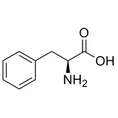
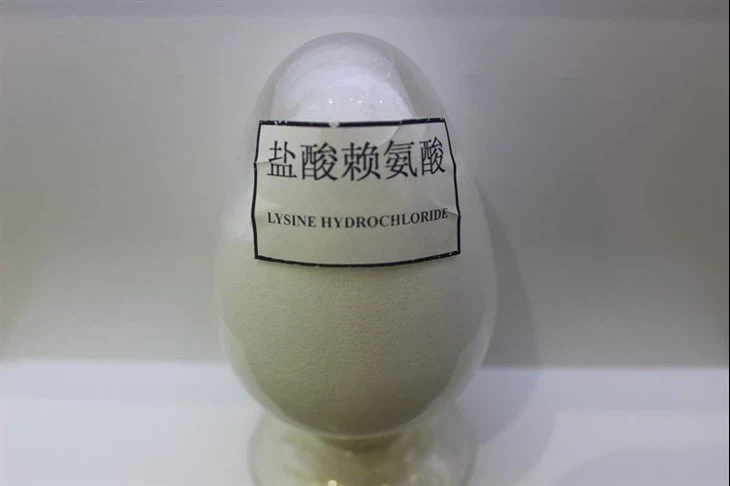
If you're interested in other amino acids, you might want to check out L-Alanine Amino Acid 56 - 41 - 7. It's another important amino acid with its own unique properties and applications. Also, Amino Acid L-TRYPTOPHAN 73 - 22 - 3 is well - known for its role in mood regulation and sleep. And Hydrochloride Salt Of L-lysine 657 - 27 - 2 is crucial for protein synthesis and growth.
Why Choose Our Glycine
As a supplier of CAS: 56 - 40 - 6, we take pride in offering high - quality glycine. Our product is produced using the latest manufacturing techniques to ensure its purity and effectiveness. We have strict quality control measures in place at every stage of the production process, from sourcing the raw materials to the final packaging. Whether you're in the medical, food, agricultural, or any other industry that uses glycine, we can provide you with the right product to meet your needs.

If you're interested in purchasing glycine or want to learn more about our products, don't hesitate to reach out. We're always happy to have a chat about how glycine can benefit your business and answer any questions you might have. We believe that by working together, we can explore the full potential of this amazing chemical and find new ways to use it in different industries.
References
- "The Role of Glycine in Neurological Disorders" - Journal of Neurobiology Research
- "Glycine in Food: Flavor and Preservation" - Food Science and Technology Journal
- "Glycine as a Plant Growth Regulator" - Agricultural Research International
So, come on and let's start this journey of discovery and collaboration with glycine! We're looking forward to hearing from you.