


L-Serine is a non-essential amino acid that plays a crucial role in various physiological processes within the human body. As a reputable L-Serine supplier, I am well-versed in the numerous health benefits associated with this remarkable compound. In this blog post, I will delve into the science behind L-Serine and explore how it can positively impact our well-being.
Neurological Health
One of the most significant health benefits of L-Serine is its role in supporting neurological function. Serine is a precursor to several important neurotransmitters, including glycine and D-serine, which are essential for proper brain signaling and communication. These neurotransmitters play a key role in cognitive processes such as learning, memory, and attention.
Research has shown that L-Serine supplementation may help improve cognitive function in individuals with certain neurological disorders. For example, a study published in the journal Neurology found that L-Serine supplementation improved cognitive performance in patients with amyotrophic lateral sclerosis (ALS). Another study in the Journal of Alzheimer's Disease suggested that L-Serine may have potential as a therapeutic agent for Alzheimer's disease, as it can help reduce the accumulation of toxic proteins in the brain.
In addition to its role in cognitive function, L-Serine also plays a crucial role in the development and maintenance of the nervous system. It is involved in the synthesis of sphingolipids, which are essential components of cell membranes in the brain and nervous system. Sphingolipids are important for maintaining the integrity and function of nerve cells, and a deficiency in L-Serine can lead to neurological problems.
Mental Health
L-Serine may also have a positive impact on mental health. As a precursor to neurotransmitters like glycine and D-serine, it can help regulate mood and reduce symptoms of anxiety and depression. Glycine, in particular, has been shown to have anxiolytic and antidepressant effects, and L-Serine supplementation may help increase glycine levels in the brain.
Furthermore, L-Serine is involved in the synthesis of phosphatidylserine, a phospholipid that is abundant in the brain. Phosphatidylserine has been shown to have a beneficial effect on mood, memory, and cognitive function. It can help reduce stress and anxiety, improve sleep quality, and enhance overall mental well-being.
Cardiovascular Health
Another important health benefit of L-Serine is its role in cardiovascular health. Serine is involved in the synthesis of homocysteine, an amino acid that, when present in high levels, can increase the risk of cardiovascular disease. L-Serine can help regulate homocysteine levels by providing the necessary substrate for its conversion into other amino acids.
In addition, L-Serine is involved in the synthesis of phosphatidylcholine, a phospholipid that is important for maintaining the integrity and function of cell membranes in the cardiovascular system. Phosphatidylcholine can help reduce inflammation, improve blood flow, and prevent the formation of blood clots, all of which are important for cardiovascular health.
Skin Health
L-Serine also plays a role in maintaining healthy skin. It is involved in the synthesis of collagen, a protein that provides structure and elasticity to the skin. Collagen is essential for maintaining the firmness and smoothness of the skin, and a deficiency in L-Serine can lead to premature aging and the development of wrinkles.
Furthermore, L-Serine is involved in the synthesis of ceramides, which are lipids that form a protective barrier on the skin. Ceramides help prevent moisture loss from the skin, keeping it hydrated and healthy. By promoting the synthesis of collagen and ceramides, L-Serine can help improve the appearance and texture of the skin.
Immune System Support
L-Serine is also important for supporting the immune system. It is involved in the synthesis of antibodies, which are proteins that help the body fight off infections and diseases. Antibodies are produced by white blood cells, and L-Serine is essential for the proper functioning of these cells.
In addition, L-Serine is involved in the synthesis of glutathione, a powerful antioxidant that helps protect the body from oxidative stress. Oxidative stress can damage cells and tissues, leading to a variety of health problems, including inflammation, aging, and cancer. By promoting the synthesis of glutathione, L-Serine can help strengthen the immune system and protect the body from disease.
Other Health Benefits
In addition to the above health benefits, L-Serine may also have other positive effects on the body. It is involved in the synthesis of DNA and RNA, which are essential for cell growth and repair. It can also help regulate blood sugar levels, improve energy metabolism, and support healthy digestion.
Our L-Serine Products
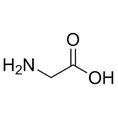
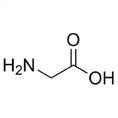
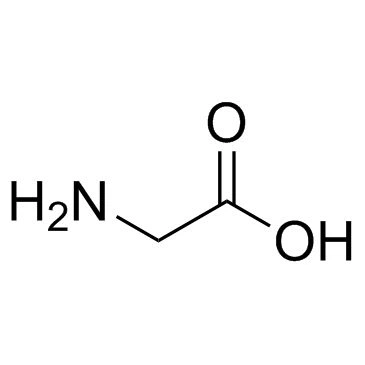
As a leading supplier of L-Serine, we offer high-quality L-Serine products that are suitable for a variety of applications. Our L-Serine is produced using advanced manufacturing processes to ensure purity and quality. We also offer a range of other amino acid products, including L-VALINE C5H11NO2 72-18-4, 2-Aminoacetic Acid 56-40-6, and Lysine Mono Hcl 657-27-2.
Our products are widely used in the pharmaceutical, nutraceutical, and food industries. Whether you are looking for a raw material for your product development or a dietary supplement for your customers, we can provide you with the right solution.
Contact Us for Procurement
If you are interested in purchasing L-Serine or any of our other amino acid products, please do not hesitate to contact us. We have a team of experienced professionals who can provide you with detailed information about our products and help you make the right choice for your needs. We are committed to providing our customers with the highest level of service and support, and we look forward to working with you.

References
- Ferraiuolo L, et al. L-serine in amyotrophic lateral sclerosis: a double-blind, randomized, placebo-controlled phase 2 trial. Neurology. 2016;87(12):1216-1223.
- Klunk WE, et al. Oral L-serine in patients with prodromal Alzheimer disease: a randomized clinical trial. JAMA Neurol. 2015;72(11):1299-1306.
- Blusztajn JK. Phosphatidylserine: biochemical and pharmacologic aspects. J Neural Transm Suppl. 1998;52:1-11.
- McCully KS. Homocysteine and vascular disease. N Engl J Med. 1996;334(11):707-713.
- Kaur M, et al. Role of ceramide in skin health and disease. Biochim Biophys Acta. 2005;1736(2):127-141.