


L-Serine is a non-essential amino acid that plays a crucial role in various biological processes, including the synthesis of proteins, nucleotides, and phospholipids. In recent years, there has been growing interest in understanding how L-Serine influences gene expression, which is the process by which information from a gene is used in the synthesis of a functional gene product. As a leading supplier of L-Serine, we are committed to exploring the scientific aspects of this amino acid and its potential applications. In this blog post, we will delve into the mechanisms through which L-Serine affects gene expression and discuss its implications.
The Role of L-Serine in Cellular Metabolism
Before we explore its influence on gene expression, it's important to understand the basic role of L-Serine in cellular metabolism. L-Serine is synthesized in the body through the phosphorylated pathway, which involves the conversion of 3-phosphoglycerate to L-Serine via a series of enzymatic reactions. It serves as a precursor for the synthesis of other important molecules such as glycine, cysteine, and phosphatidylserine.
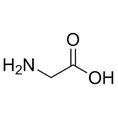
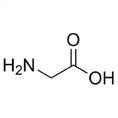
In addition to its role in biosynthesis, L-Serine is also involved in one-carbon metabolism. One-carbon metabolism is a network of biochemical reactions that transfer one-carbon units, such as methyl groups, between molecules. These reactions are essential for DNA synthesis, methylation, and the regulation of gene expression. L-Serine provides one-carbon units through its conversion to glycine, which can then enter the one-carbon pool.
Mechanisms of L-Serine's Influence on Gene Expression
Epigenetic Modifications
Epigenetic modifications are changes in gene expression that do not involve alterations in the DNA sequence. One of the key epigenetic modifications is DNA methylation, which involves the addition of a methyl group to the DNA molecule. DNA methylation can affect gene expression by preventing the binding of transcription factors to the DNA, thereby silencing gene expression.


L-Serine is involved in the synthesis of S-adenosylmethionine (SAM), which is the primary methyl donor in the cell. SAM is required for DNA methylation reactions. By providing the necessary one-carbon units for SAM synthesis, L-Serine can influence DNA methylation patterns and, consequently, gene expression. For example, studies have shown that dietary supplementation with L-Serine can alter DNA methylation levels in specific genes, leading to changes in their expression.
Histone Modifications
Histones are proteins that package DNA into a compact structure called chromatin. Modifications to histones, such as acetylation, methylation, and phosphorylation, can affect the accessibility of DNA to transcription factors and other regulatory proteins. These modifications can either promote or inhibit gene expression.
L-Serine can influence histone modifications through its role in one-carbon metabolism. The one-carbon units provided by L-Serine can be used for the synthesis of cofactors involved in histone modification enzymes. For instance, SAM is also required for histone methylation reactions. By modulating the availability of SAM, L-Serine can affect histone methylation patterns and, thus, gene expression.
Transcription Factor Regulation
Transcription factors are proteins that bind to specific DNA sequences and regulate the transcription of genes. L-Serine can influence the activity of transcription factors through various mechanisms. For example, L-Serine can affect the phosphorylation status of transcription factors, which can alter their binding affinity to DNA. Additionally, L-Serine can modulate the expression of genes encoding transcription factors, thereby indirectly influencing gene expression.
Implications of L-Serine's Influence on Gene Expression
Health and Disease
The ability of L-Serine to influence gene expression has significant implications for health and disease. Aberrant gene expression is associated with a wide range of diseases, including cancer, neurological disorders, and metabolic diseases. By modulating gene expression, L-Serine may have therapeutic potential in the treatment of these diseases.
For example, in cancer, abnormal DNA methylation patterns can lead to the silencing of tumor suppressor genes or the activation of oncogenes. L-Serine supplementation may help to restore normal DNA methylation patterns and, thus, inhibit tumor growth. In neurological disorders, such as Alzheimer's disease, changes in gene expression can contribute to the development and progression of the disease. L-Serine may play a role in regulating gene expression in the brain, potentially improving cognitive function.
Nutrition and Development
L-Serine is an important nutrient for normal growth and development. During embryonic development, proper gene expression is crucial for the formation of different tissues and organs. L-Serine's influence on gene expression may be particularly important during this critical period.
In addition, dietary intake of L-Serine can affect gene expression in various tissues throughout life. For example, in the liver, L-Serine can regulate the expression of genes involved in lipid metabolism. By influencing gene expression, L-Serine can help to maintain metabolic homeostasis and prevent the development of metabolic diseases.
Our L-Serine Products and Their Quality
As a trusted supplier of L-Serine, we offer high-quality L-Serine products that meet the strictest industry standards. Our L-Serine is produced using advanced manufacturing processes to ensure its purity and stability. We conduct rigorous quality control tests at every stage of production to guarantee the safety and efficacy of our products.
In addition to L-Serine, we also offer a wide range of other amino acid products, such as L-Alanine Amino Acid C3H7NO2 56-41-7, L-Lysine Hydrochloride 657-27-2, and L-LYSINE ACETATE C5H11NO2S 57282-49-2. These products are suitable for various applications, including pharmaceuticals, food and beverage, and animal nutrition.
Contact Us for Procurement and Collaboration
If you are interested in purchasing our L-Serine products or collaborating with us on research projects related to the influence of L-Serine on gene expression, please feel free to contact us. We have a team of experienced professionals who can provide you with detailed information about our products and services. We look forward to working with you to explore the potential of L-Serine and contribute to the advancement of scientific knowledge.
References
- Zeisel, S. H., & Blusztajn, J. K. (1994). Choline and human nutrition. Annual review of nutrition, 14, 269-296.
- Finkelstein, J. D. (1998). Methionine metabolism in mammals. The Journal of nutritional biochemistry, 9(2), 228-237.
- Feinberg, A. P., & Tycko, B. (2004). The history of cancer epigenetics. Nature reviews cancer, 4(2), 143-153.
- Kouzarides, T. (2007). Chromatin modifications and their function. Cell, 128(4), 693-705.