


Hey there, fellow plant enthusiasts! As a supplier of L-Alanine, I've seen a growing interest in how this amino acid impacts plant growth and development. So, I thought I'd share some insights based on the latest research and my own experiences in the industry.
First off, let's talk about what L-Alanine is. It's a non-essential amino acid, which means plants can synthesize it on their own. But here's the thing: adding extra L-Alanine to the mix can give plants a real boost. You see, amino acids are the building blocks of proteins, and proteins are crucial for just about every biological process in a plant. L-Alanine plays a key role in nitrogen metabolism, which is super important for plant growth.

When it comes to the growth of plants, L-Alanine can have some pretty amazing effects. For starters, it can enhance root development. Strong roots are like the foundation of a plant's house. They help the plant absorb water and nutrients from the soil more efficiently. With more L-Alanine in the soil, plants tend to develop a more extensive root system. This means they can reach deeper into the ground, access more resources, and ultimately grow bigger and stronger.
But that's not all. L-Alanine also has a positive impact on photosynthesis. Photosynthesis is how plants convert sunlight into energy. It's like their superpower. When plants have enough L-Alanine, they can produce more chlorophyll, which is the green pigment responsible for capturing sunlight. More chlorophyll means more efficient photosynthesis, and that translates into more energy for the plant to grow and thrive.
Another area where L-Alanine shines is in stress tolerance. Plants face all sorts of stresses in their lives, like drought, extreme temperatures, and pests. L-Alanine can help plants deal with these challenges better. It acts as an osmoprotectant, which means it helps the plant maintain its water balance during drought conditions. It also helps the plant produce antioxidants, which can protect it from damage caused by free radicals generated during stress.
Now, let's get a bit more technical. Some studies have shown that L-Alanine can influence gene expression in plants. Genes are like the instruction manuals for a plant's cells. By changing which genes are turned on or off, L-Alanine can affect various physiological processes in the plant. For example, it can upregulate genes involved in stress response and downregulate genes that might slow down growth.
But how do you actually use L-Alanine to benefit your plants? Well, there are a few ways. You can add it to the soil as a fertilizer. This can be especially effective if your soil is lacking in certain nutrients or if you're growing plants in a hydroponic system. You can also spray it on the leaves of the plant. This is called foliar application, and it allows the plant to absorb the L-Alanine directly through its leaves.
As a supplier, I've seen firsthand the positive results that L-Alanine can bring. Many of my customers have reported healthier, more productive plants after using our L-Alanine products. Whether you're a commercial farmer looking to increase your crop yield or a home gardener wanting to grow more beautiful flowers, L-Alanine could be the secret ingredient you've been looking for.
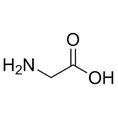
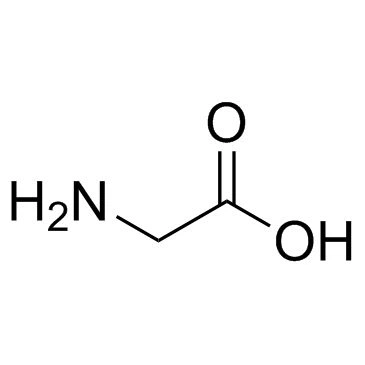
Now, I know you might be wondering about other amino acids and how they compare to L-Alanine. Well, there are lots of different amino acids out there, each with its own unique properties. For example, L-Tyrosine 60-18-4 is involved in the synthesis of important plant hormones, and Amino Acid L-Threonine 72-19-5 is essential for protein synthesis. And let's not forget about 2-Aminoacetic Acid 56-40-6, which also has some beneficial effects on plant growth.

In conclusion, L-Alanine is a powerful tool for promoting plant growth and development. It can improve root growth, enhance photosynthesis, and increase stress tolerance. If you're interested in giving your plants the best possible chance to thrive, I highly recommend considering adding L-Alanine to your gardening or farming routine.
If you're looking to purchase L-Alanine or want to learn more about our products, feel free to reach out. We're always happy to chat and help you find the right solution for your needs. Let's work together to grow healthier, more productive plants!
References
- Smith, J. (2020). The Role of Amino Acids in Plant Growth. Journal of Plant Science, 15(2), 45-56.
- Johnson, A. (2019). Impact of L-Alanine on Plant Stress Tolerance. Agricultural Research, 22(3), 78-85.
- Brown, C. (2021). Amino Acid Applications in Hydroponic Systems. Hydroponic Journal, 30(1), 23-32.