


Can L-Serine be used to treat ADHD?
Hey there! As a supplier of L-Serine, I've been getting a lot of questions lately about whether L-Serine can be used to treat Attention-Deficit/Hyperactivity Disorder (ADHD). It's a super interesting topic, so I thought I'd dig into the research and share what I've found with you.
First off, let's talk a bit about ADHD. It's a common neurodevelopmental disorder that affects both kids and adults. People with ADHD often have trouble paying attention, controlling impulsive behaviors, and can be overly hyperactive. There are different treatments out there, like medications and behavioral therapy, but researchers are always on the lookout for new and better ways to manage the symptoms.
Now, what's L-Serine? Well, it's an amino acid. Amino acids are the building blocks of proteins in our bodies. L-Serine is non-essential, which means our bodies can make it on their own, but we can also get it from our diet. Foods like soybeans, nuts, and eggs are good sources of L-Serine.
So, can it help with ADHD? The idea isn't completely out of left field. Our brains need a proper balance of neurotransmitters to function well, and L-Serine plays a role in the synthesis of some important ones, like phosphatidylserine. Phosphatidylserine is a key component of cell membranes in the brain and is involved in cognitive functions such as memory, attention, and learning.
Some studies have shown that L-Serine might have a positive impact on brain health. In animal studies, researchers have found that supplementing with L-Serine can improve cognitive function and reduce symptoms similar to those seen in ADHD. For example, in rats with certain brain impairments, L-Serine supplementation led to better performance in memory and attention tests.
However, when it comes to human studies on using L-Serine specifically for ADHD, the evidence is still pretty limited. There haven't been a whole lot of large-scale, well - designed clinical trials. What we do know is that some small studies have looked at the effects of related compounds, like phosphatidylserine, on ADHD symptoms. These studies have shown some promise, with improvements in attention and behavior reported in some participants.
One of the reasons L-Serine is being considered as a potential treatment for ADHD is its safety profile. It's generally recognized as safe when taken in appropriate doses. Unlike some of the traditional ADHD medications, which can have side effects like insomnia, decreased appetite, and mood swings, L-Serine seems to be well - tolerated by most people.
But it's important to note that we can't just jump to the conclusion that L-Serine is a cure for ADHD. More research is definitely needed. We need large, randomized, double - blind, placebo - controlled trials to really understand its effectiveness. These types of studies are the gold standard in medical research because they can give us the most reliable results.
Now, let's talk about other amino acids that might also be related to ADHD and brain health. There are several amino acids that play important roles in the brain. For example, L-Alanine 56-41-7 is another amino acid that's involved in energy metabolism in the brain. It helps to maintain the proper balance of neurotransmitters and can support overall brain function.


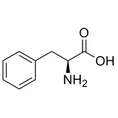
L-Aminobenzenepropanoic Acid 63-91-2, also known as L-phenylalanine, is a precursor to dopamine, a neurotransmitter that's closely linked to attention and motivation. Low levels of dopamine have been associated with ADHD symptoms, so getting enough L-phenylalanine in the diet or through supplementation might help to boost dopamine levels.
L-Proline 147-85-3 is important for the synthesis of collagen, which is not only important for our skin and joints but also for the structure of blood vessels in the brain. Good blood flow to the brain is crucial for proper cognitive function.
As a supplier of L-Serine, I'm really excited about the potential of this amino acid. Whether you're a researcher looking to conduct more studies on its effects on ADHD or an individual interested in trying it as a supplement, we have high - quality L-Serine available.
If you're thinking about using L-Serine for ADHD or other brain - related issues, it's always a good idea to talk to your doctor first. They can give you personalized advice based on your health history and current medications.
In conclusion, while the evidence for using L-Serine to treat ADHD is still in its early stages, there's definitely some interesting research going on. It's a safe and natural option that could potentially offer some benefits for people with ADHD. We're looking forward to seeing more research in this area in the future.
If you're interested in purchasing L-Serine for your research or personal use, don't hesitate to reach out. We're here to help you get the best - quality product. Whether you're a scientist, a healthcare provider, or an individual, we can work with you to meet your needs. Let's start a conversation and see how we can move forward together.
References
- "The Role of Amino Acids in Brain Function" - Journal of Neurochemistry
- "Animal Studies on L-Serine and Cognitive Function" - Neurobiology Research
- "Small - Scale Studies on Phosphatidylserine and ADHD" - Journal of Attention Disorders