


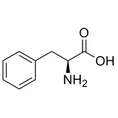
As a supplier of L-Phenylalanine, I've witnessed firsthand the growing interest in this essential amino acid. L-Phenylalanine plays a crucial role in various physiological processes, including the synthesis of proteins, neurotransmitters, and hormones. Its demand spans across multiple industries, from pharmaceuticals to food and beverage. But have you ever wondered if environmental factors can influence the L-Phenylalanine levels in foods? In this blog, we'll explore this question in depth.
Understanding L-Phenylalanine
Before delving into the environmental factors, let's briefly understand what L-Phenylalanine is. It is one of the 20 standard amino acids that are the building blocks of proteins. L-Phenylalanine is an essential amino acid, which means our bodies cannot synthesize it on their own, and we must obtain it from our diet. It is commonly found in high - protein foods such as meat, fish, eggs, dairy products, and some plant - based sources like nuts and legumes.
Environmental Factors Affecting L - Phenylalanine Levels in Foods
Soil Quality
Soil is the foundation for plant growth, and its quality can significantly impact the nutrient content of plants, including L - Phenylalanine levels. Different types of soil have varying compositions of minerals, organic matter, and pH levels. For example, soils rich in nitrogen are essential for amino acid synthesis in plants. Nitrogen is a key component of amino acids, and a sufficient supply of nitrogen in the soil can lead to higher levels of L - Phenylalanine in plants.
On the other hand, soil pollution can have a negative impact. Heavy metals such as lead, mercury, and cadmium can contaminate the soil. These heavy metals can interfere with the normal metabolic processes in plants, including the synthesis of amino acids. Plants growing in polluted soil may produce lower levels of L - Phenylalanine or may even accumulate these toxic metals, which can pose a health risk to consumers.
Climate Conditions
Climate plays a vital role in determining the L - Phenylalanine levels in foods, especially in plant - based sources. Temperature, sunlight, and rainfall are the main climate factors to consider.
Temperature affects the rate of biochemical reactions in plants. Optimal temperatures promote normal growth and metabolic activities, which can lead to the proper synthesis of L - Phenylalanine. Extreme temperatures, either too hot or too cold, can stress the plants and disrupt these processes. For instance, high temperatures can cause protein denaturation and enzyme inactivation, reducing the efficiency of amino acid synthesis.


Sunlight is essential for photosynthesis, the process by which plants produce energy and synthesize organic compounds, including amino acids. Adequate sunlight exposure allows plants to generate sufficient energy and precursors for L - Phenylalanine synthesis. Insufficient sunlight can limit the plant's ability to produce this amino acid.
Rainfall also matters. Proper water supply is necessary for plant growth and nutrient uptake. Drought conditions can lead to water stress in plants, which can affect their metabolic functions and reduce the synthesis of L - Phenylalanine. Excessive rainfall, on the other hand, can cause soil erosion and leaching of nutrients, also impacting the amino acid levels in plants.
Agricultural Practices
The way we cultivate crops can have a profound impact on the L - Phenylalanine levels in foods. The use of fertilizers and pesticides is a significant aspect.
Fertilizers are used to supplement the nutrients in the soil. Nitrogen - based fertilizers can increase the availability of nitrogen to plants, which can enhance the synthesis of amino acids, including L - Phenylalanine. However, over - use of fertilizers can lead to environmental problems such as water pollution and soil degradation.
Pesticides are used to protect crops from pests and diseases. Some pesticides may have unintended effects on the plant's metabolism. Certain pesticides can inhibit the activity of enzymes involved in amino acid synthesis, leading to lower L - Phenylalanine levels in plants. Organic farming practices, which avoid the use of synthetic fertilizers and pesticides, may result in different L - Phenylalanine levels compared to conventional farming. Organic crops may have a more natural and balanced nutrient profile, but the levels of L - Phenylalanine can also be influenced by other factors such as the quality of organic fertilizers used.
Impact on the Food Industry
The variations in L - Phenylalanine levels in foods due to environmental factors can have significant implications for the food industry. Food manufacturers need to ensure a consistent supply of ingredients with stable L - Phenylalanine levels. For example, in the production of dietary supplements, the accuracy of L - Phenylalanine content is crucial for the product's efficacy and safety.
In the food and beverage industry, the taste and nutritional value of products can be affected. L - Phenylalanine is involved in the synthesis of flavor - related compounds, and changes in its levels can alter the taste of foods. Moreover, for consumers with specific dietary needs, such as those with phenylketonuria (PKU), who need to strictly control their L - Phenylalanine intake, the variability in food sources can pose challenges.
Our Role as an L - Phenylalanine Supplier
As a supplier of L - Phenylalanine, we understand the importance of providing high - quality products with consistent L - Phenylalanine levels. We work closely with our suppliers to source ingredients from regions with favorable environmental conditions. We also conduct rigorous quality control tests to ensure that our products meet the highest standards.
In addition to L - Phenylalanine, we also offer other related amino acids. You can check out our Amino Acid L-Threonine 72-19-5, Hydrophobic Amino Acid L-LEUCINE 61-90-5, and L-Tyrosine 60-18-4 products.
If you are in the market for high - quality L - Phenylalanine or other amino acids, we invite you to contact us for a procurement discussion. We are committed to providing you with the best products and services to meet your specific needs.
References
- Marschner, H. (2012). Mineral Nutrition of Higher Plants. Academic Press.
- Taiz, L., & Zeiger, E. (2010). Plant Physiology. Sinauer Associates.
- White, P. J., & Brown, P. H. (2010). Plant nutrition for sustainable development and global health. Annual Review of Plant Biology, 61, 169 - 197.